Title: “The Eagle’s Gift”
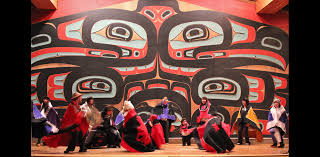
Once upon a time, in the coastal village of Metlakatla, nestled on Annette Island, the Tsimshian people lived in harmony with nature. Their lives were intertwined with the rhythms of the sea, the whispering forests, and the soaring eagles.
Among the villagers, there was a young girl named Kaya. She possessed a special gift: the ability to communicate with eagles. Whenever she stood on the rocky cliffs overlooking the ocean, the majestic birds would circle above her, their wings catching the sunlight like silver.
One day, as Kaya sat by the shore, an injured eagle landed at her feet. Its wing was broken, and its eyes held a plea for help. Kaya gently cradled the wounded creature, whispering words of healing. She splinted its wing, fed it fish, and sang ancient songs to ease its pain.
Weeks passed, and the eagle regained its strength. It would perch on Kaya’s shoulder, its feathers brushing against her skin. The villagers marveled at this bond—the girl and the eagle, connected by an invisible thread of compassion.
One stormy night, Kaya dreamt of the Spirit of the Eagles. It appeared as an old man with silver hair and eyes that held the wisdom of ages. He spoke to her in a voice that echoed through the winds:
“Kaya, you have been chosen. The eagles are our messengers—they carry our hopes, fears, and dreams. But they are fading. Their wings grow heavy with sorrow, burdened by the troubles of humankind.”
Kaya woke with a sense of purpose. She climbed the highest peak on Annette Island, where the eagles nested. There, she raised her arms to the sky, calling upon the spirits. The wind carried her plea across the ocean, reaching the heart of every eagle.
And then, a miracle unfolded. The eagles gathered—a sea of wings, eyes gleaming with determination. They soared higher, their cries merging into a symphony of hope. Kaya danced among them, her steps echoing the ancient rhythms of Metlakatla.
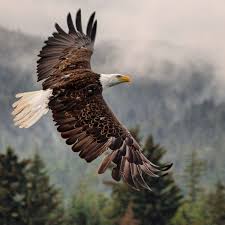
From that day on, the eagles became protectors of the village. They guided fishermen to abundant waters, warned of storms, and carried messages between distant shores. Kaya’s gift had rekindled their purpose—to bridge the gap between earth and sky, between humans and nature.
And so, in Metlakatla, the eagle’s cry was no longer a lonely sound—it was a song of resilience, a reminder that healing begins with compassion and connection.
Remember, my friend, that we all carry gifts within us. Sometimes, it takes a broken wing to discover our true purpose.
Metlakatla, Alaska: A Saltwater Passage
Metlakatla, also known as Maxłakxaała in the Tsimshian language, is a census-designated place (CDP) located on Annette Island in the Prince of Wales-Hyder Census Area, Alaska, United States. Here are some key points about this unique community:
- Origins and Settlement:
- In 1887, Anglican missionary William Duncan led a group of 826 Tsimshian people from British Columbia, Canada, to establish a new settlement in Alaska.
- They sought a place where they could practice their faith and maintain their cultural identity.
- The U.S. government granted them Annette Island after a Tsimshian search committee discovered its calm bay, accessible beaches, nearby waterfall, and abundant fish.
- Annette Islands Reserve:
- Congress officially established Metlakatla as the Metlakatla Indian Community, Annette Islands Reserve in 1891.
- Annette Island remains the only federally recognized reserve in Alaska.
- The community opted out of the Alaska Native Claims Settlement Act (ANCSA) of the 1970s, retaining rights to their land and waters.
- Community and Membership:
- Membership in the Metlakatla Indian Community is primarily based on lineage.
- It consists mainly of Tsimshian people, but also includes members from other Alaskan Native tribes who wish to join.
- Bona fide membership is granted upon approval by the Metlakatla Tribal Council and Executives.
- Cultural Significance:
- The name “Metlakatla” itself reflects its Tsimshian roots, meaning “saltwater passage.”
- The community’s connection to nature, eagles, and the sea is deeply woven into its history and identity.
- Legacy and Resilience:
- Metlakatla stands as a testament to resilience, faith, and the pursuit of cultural preservation.
- Its people continue to honor their heritage, bridging the gap between earth and sky, just as the eagles do.
Remember, Metlakatla’s story is one of strength, adaptation, and the enduring spirit of its people.
 Notes from Alex
Leave a comment