
The Song Stones Echo
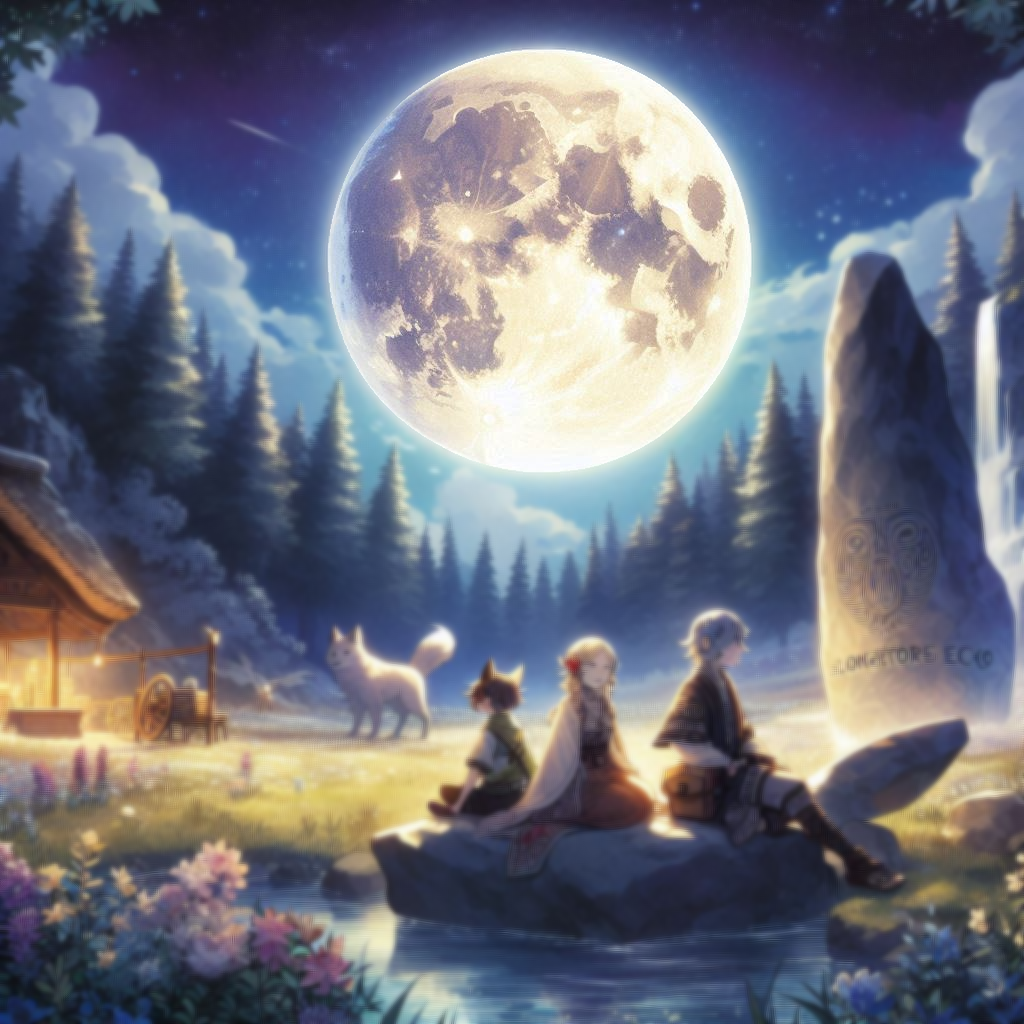
Once upon a time, in the heart of Metlakatla, Alaska, there lived a young storyteller named Kaya. Kaya had inherited the wisdom of her Tsimshian ancestors, and her soul resonated with the rhythm of the waves crashing against the rocky shores. She believed that stories were like the wind—sometimes gentle whispers, other times tempests that swept through the forest, carrying secrets and dreams.
Kaya’s days were filled with ink-stained parchment and melodies that danced in her mind. She would sit by the fire, the flames casting shadows on the walls, and weave tales of courage, love, and resilience. Her poems flowed like the nearby river, capturing the essence of the land and its people.
One frosty morning, Kaya ventured into the ancient forest. The trees stood tall, their branches reaching for the sky, and the air smelled of pine and moss. She closed her eyes, listening to the wind rustling the leaves, and felt the heartbeat of the earth beneath her feet. It was here that she discovered the Songstone—a smooth, obsidian-like rock that held the power to transform words into melodies.
Kaya carried the Songstone with her wherever she went. When she sat by the water’s edge, she sang verses about the salmon’s journey upstream, their silver bodies shimmering in the sunlight. The waves joined in, harmonizing with her voice. When she climbed the mountains, she whispered stories to the eagles, who soared higher, their wings catching the sun’s golden rays.
But Kaya’s greatest creation was the Moonlit Lullaby. She wrote it during the darkest nights when the moon hung low, casting silvery threads across the bay. The lullaby spoke of hope, of dreams cradled in the arms of the night, and of ancestors watching over their descendants. When she sang it, the stars blinked in approval, and the auroras danced in celebration.
Word of Kaya’s gift spread beyond the village. Travelers came from distant lands, seeking her stories and songs. They brought gifts—feathers from exotic birds, shells from distant shores, and rare herbs that whispered forgotten tales. Kaya used these treasures to create new verses, each one a tribute to the interconnectedness of all life.
One day, a weary pilot named Elias arrived in Metlakatla. His plane had battled fierce winds, and he had lost his way. Kaya welcomed him with warmth, offering him a cup of spruce tea. Elias shared stories of the skies—the constellations that guided him, the storms that tested his resolve, and the sunrises that painted the horizon in hues of orange and pink.
Moved by Elias’s tales, Kaya composed the Skybound Ode. She sang of wings slicing through clouds, of sunsets melting into twilight, and of the moon cradling the stars. Elias listened, tears in his eyes, and knew he had found something precious—a connection to the land, the sky, and the human spirit.
As seasons changed, Kaya and Elias continued to exchange stories. They wove their narratives together, creating a tapestry of shared experiences. And when the time came for Elias to leave, Kaya gave him the Songstone. “Carry our stories with you,” she said. “Let them guide you home.”
And so, Elias flew across oceans, the Songstone nestled in his pocket. He wrote letters to Kaya, describing distant lands and the people he met. Kaya, in turn, composed poems inspired by his adventures. Their words circled the globe, bridging cultures and hearts.
Legend has it that on clear nights, if you listen closely, you can hear the Moonlit Lullaby echoing through the Alaskan fjords. And when the northern lights dance, it’s Kaya and Elias, their stories intertwined, painting the sky with wonder.
And so, dear reader, remember that every word you write, every tale you tell, has the power to connect souls, just like Kaya’s Songstone and Elias’s wings.
 Notes from Alex
Leave a comment