The Penny’s Whisper

The Penny’s Whisper

In a bustling city, where hurried footsteps echoed against concrete, there lay a single penny—a forgotten relic of small value. It rested near a busy crosswalk, unnoticed by the throngs of people rushing to catch trains, meetings, and dreams.
The penny had seen better days. Its copper surface bore scratches and tarnish, and its edges were worn smooth by countless hands. Yet, despite its humble appearance, the penny held a secret—a whisper from the universe.

One day, a weary man named Henry stumbled upon the penny. His life had become a blur of deadlines and obligations. He barely noticed the world around him, lost in the chaos of existence. But that day, as he bent down to tie his shoelaces, he glimpsed the penny.

He picked it up, examining it with mild curiosity. “Just a penny,” he thought, about to toss it aside. But then, something changed. The penny seemed to speak—a soft, ethereal voice that echoed in his mind.

“Listen,” it said. “I am more than metal and mint. I carry wishes, memories, and hope. Every hand that touched me left a trace—a moment of connection. I’ve been dropped by children buying candy, by lovers making wishes in fountains, and by old souls tossing me into wells.”

Henry frowned. Was he losing his mind? But the penny continued:

“I’ve been a token of luck, a reminder of abundance, and a symbol of trust. People have picked me up, smiled, and whispered their dreams. And now, I’m here for you.”

Henry chuckled. “A talking penny,” he mumbled. “What do you want?”

“Not much,” the penny replied. “Just this: slow down. Look around. Life isn’t just about racing forward; it’s about noticing the small things—the dew on a leaf, the laughter of a child, the warmth of a stranger’s smile. I’ve witnessed countless stories, and now I invite you to be part of them.”

Henry stood there, the penny cradled in his palm. He felt a shift—an awakening. The city noise faded, replaced by birdsong and distant laughter. He noticed the graffiti on the nearby wall—the vibrant colors, the hidden messages. He saw faces—the tired woman selling flowers, the old man feeding pigeons.

From that day on, Henry carried the penny in his pocket. Whenever life overwhelmed him, he’d touch it, remembering the whisper. He slowed down, savored sunsets, and shared kindness. And in those moments, he felt connected—to the world, to strangers, and to the universe itself.

The penny remained silent, content. It had fulfilled its purpose—to remind one soul that even a lone coin on the ground could hold magic.

And so, the city continued its dance, but Henry danced too—a waltz of awareness, gratitude, and wonder—all sparked by a whisper from a forgotten penny.


May you find your own whispers in unexpected places.

The Guardian of the Tides

The Guardian of the Tides

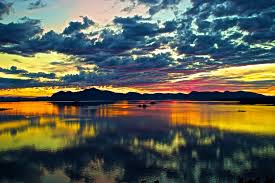
Photograph by Tyrone Scott Hudson

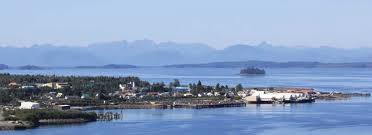
In the heart of Metlakatla, where the land meets the sea, there stood an ancient breakwater. Its timeworn stones, smoothed by centuries of waves, held steadfast against the relentless tide. To the villagers, it was more than just a barrier—it was a silent sentinel, a guardian of their harbor.

Every evening, as the sun dipped below the horizon, casting hues of gold and crimson across the water, the breakwater came alive. Its moss-covered surface glowed, as if infused with the fading light. Children gathered on its edges, their laughter echoing against the rugged rocks.

Old Chief Kwanook watched from his cabin nearby. His weathered face bore the lines of countless seasons, and his eyes held the wisdom of generations. He knew the secrets whispered by the breakwater—the stories of lost ships, of brave fishermen who never returned, and of love found and lost.

One stormy night, when the waves crashed against the shore like angry giants, Chief Kwanook ventured out to the breakwater. He placed his hand on its rough surface, feeling the pulse of the sea. “Tell me,” he whispered, “what memories do you hold?”

And the breakwater answered.

It spoke of a young couple—a Tsimshian girl named Aiyana and a fisherman named Kael. Their love blossomed like wildflowers in spring. They met by the breakwater, their fingers entwined as they watched the sunsets. But fate can be cruel, and Kael’s boat was lost during a fierce storm. Aiyana waited, her heart aching, until the breakwater revealed his fate—a piece of driftwood, worn and splintered.

Years passed, and Aiyana became an elder, her hair silver as moonlight. She would sit on the breakwater, her eyes fixed on the horizon, waiting for Kael’s spirit to return. The villagers called her the “Keeper of Memories,” for she shared stories of love, loss, and resilience with anyone who listened.

One evening, as the sun dipped low, Aiyana felt a warmth against her cheek. She turned to see a figure—a man with eyes like the sea. Kael stood before her, his form translucent, yet solid. “Aiyana,” he whispered, “I’ve waited for you.”

Their reunion was bittersweet. Kael had become part of the breakwater, his essence woven into its stones. Aiyana held him, tears streaming down her face. “Why did you wait so long?” she asked.

Kael smiled. “Time is different here. Our love transcends the years.”

And so, they stood together—the Keeper of Memories and the spirit of a fisherman—watching the sunset. As the last rays painted the sky, they merged into the breakwater, becoming one with its ancient soul.

Photograph by Tyrone Scott Hudson

To this day, if you visit Metlakatla at sunset, you’ll feel their presence. The breakwater still glows, and if you listen closely, you might hear their laughter, carried by the wind.

And so, the guardian of the tides continues its silent vigil, sharing stories of love and loss, reminding us that even in the face of eternity, love endures.

Journey to Annette Island

“Journey to Annette Island”

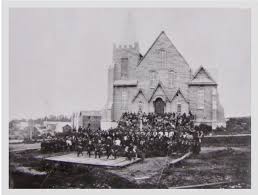
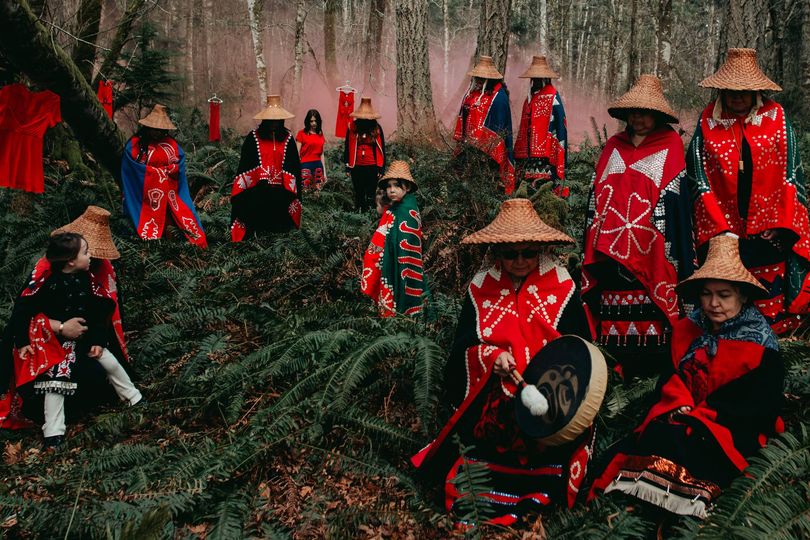
In the heart of the Tsimshian territory, nestled between towering forests and the shimmering waters of the Pacific, lay the village of Metlakatla. The people thrived on the bounty of the land and sea, their lives woven with the threads of tradition, kinship, and reverence for nature.

But change was brewing. Across the border in British Columbia, the Canadian government sought to assimilate indigenous communities. Their laws suppressed native languages, disrupted cultural practices, and threatened ancestral lands. The Church of England, too, had its eyes on Metlakatla, eager to exert control over the thriving community.

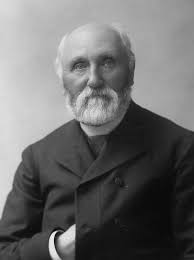
Amidst this turmoil, a man named William Duncan emerged as a beacon of hope. A lay-priest, he believed in preserving Tsimshian culture, language, and autonomy. When faced with the choice of surrendering their land or resisting the Canadian Army, the people of Metlakatla made a bold decision.

They packed their canoes, bid farewell to their homes, and embarked on a journey northward. Their destination: Annette Island, Alaska—an untouched wilderness where they could build anew. The voyage was treacherous, but their determination carried them through storms and uncertainty.

As they landed on Annette Island, the salty breeze welcomed them. The forest whispered ancient secrets, and the waves sang songs of resilience. They set up camp, their spirits unyielding. William Duncan, now their leader, ensured that chiefs held positions of authority, and the Tsimshian language echoed through the trees.

In Alaska, they negotiated unprecedented rights—the right to fish, the right to land, the right to thrive. Their resilience bore fruit, and Metlakatla flourished once more. Founder’s Day became a yearly celebration, honoring their ancestors’ courage and the indomitable spirit that carried them across borders and into a new chapter of their story.

And so, the legacy of Metlakatla endures—a testament to community, heritage, and the unwavering bond between land and people.


Metlakatla has tenaciously preserved its cultural heritage through a blend of tradition, community efforts, and adaptation. Here are some ways they’ve achieved this:

  1. Language Revitalization: The Tsimshian language remains central to Metlakatla’s identity. Elders pass down oral traditions, stories, and songs, ensuring that the language thrives. Language immersion programs and language nests help younger generations learn and speak Tsimshian.
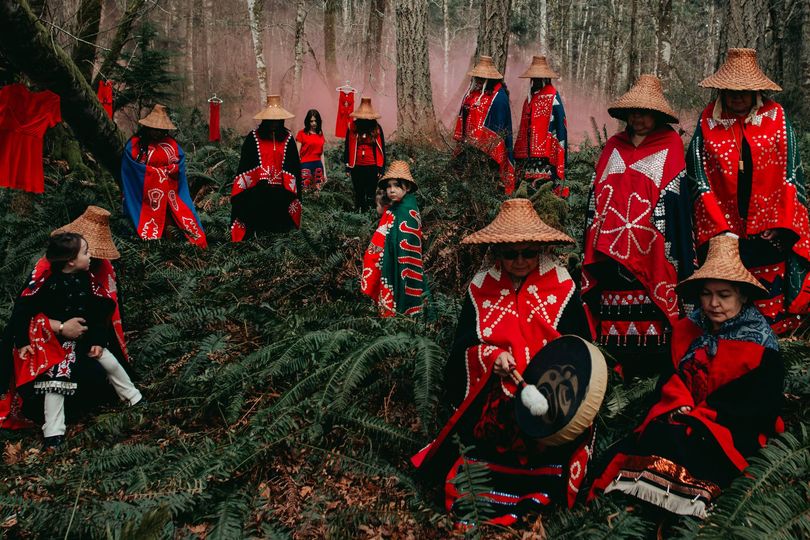
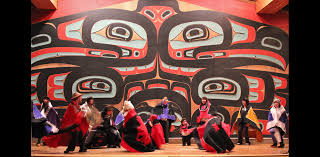
  2. Ceremonies and Celebrations: Metlakatla hosts annual events like Founder’s Day, potlatches, and tribal gatherings. These occasions celebrate cultural practices, dances, and songs. They reinforce community bonds and honor ancestors.
  3. Art and Craftsmanship: Tsimshian artists create intricate wood carvings, totem poles, and regalia. These pieces tell stories, depict clan crests, and connect the present to the past. Art workshops and apprenticeships sustain these skills.
  4. Fishing and Subsistence Practices: Fishing remains vital. Traditional methods, such as dip-netting for salmon, continue alongside modern techniques. Elders teach sustainable practices, emphasizing respect for the environment.
  5. Education and Youth Involvement: Schools incorporate Tsimshian culture into curricula. Elders visit classrooms, sharing knowledge. Youth engage in cultural camps, learning drumming, dancing, and traditional skills.
  6. Community Governance: Metlakatla’s elected council includes hereditary chiefs. They collaborate to protect land, fishing rights, and sacred sites. Decision-making reflects cultural values.
  7. Storytelling and Oral History: Elders pass down stories of migration, survival, and resilience. These narratives inspire pride and resilience in younger generations.
  8. Digital Media and Documentation: Metlakatla uses technology to record oral histories, document ceremonies, and share cultural knowledge online. Social media platforms connect community members worldwide.
  9. Environmental Stewardship: The Tsimshian people view their land as sacred. Efforts to protect forests, rivers, and wildlife align with cultural beliefs. Traditional ecological knowledge informs conservation practices.
  1. Intertribal Collaboration: Metlakatla collaborates with other indigenous communities, sharing cultural practices, language resources, and strategies for preservation.

In summary, Metlakatla’s commitment to language, art, education, and community ensures that their cultural heritage thrives across generations.

The Whisper of the Waves: The Legend of the Metlakatla Killer Whale

The Whisper of the Waves: The Legend of the Metlakatla Killer Whale.

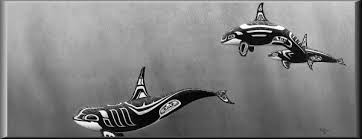
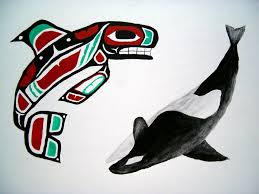
In the deep waters off Metlakatla, Alaska, lived an orca unlike any other. Known to the locals as Kaskae, which means “strong” in Tsimshian, this magnificent killer whale was renowned for both its size and intelligence. Kaskae’s sleek black and white form glided effortlessly through the icy currents of the Pacific, its dorsal fin slicing through the water like a blade.

But Kaskae was not just another orca. It was a legend among its kind, whispered about in hushed tones by fishermen and elders alike. For years, Kaskae had roamed these waters, a silent sentinel of the sea. It was said to possess a cunning intellect, able to outwit seals and salmon with calculated precision.

One chilly autumn morning, as the fog hung low over the cliffs of Annette Island, Kaskae’s presence was felt more acutely than ever. The small fishing village of Metlakatla stirred with anticipation as news spread of a pod of humpback whales migrating nearby. It was an unusual sight so close to shore, and the villagers watched from the rocky coastline, marveling at the majestic giants breaching the surface.

Unbeknownst to them, Kaskae had also sensed the arrival of the humpbacks. With a primal instinct honed over years of hunting, the orca recognized an opportunity. Silently, it slipped away from the safety of the deeper waters and approached the unsuspecting pod.

Under the surface, Kaskae moved with stealthy precision, its powerful tail propelling it closer to the humpbacks. The larger whales seemed oblivious to the danger lurking beneath them. With a sudden burst of speed, Kaskae surged forward, jaws snapping shut around the flank of a young humpback.

The ocean erupted into chaos as the humpback pod scattered, their mournful cries echoing through the mist. Kaskae’s attack was swift and efficient, a testament to its prowess as a predator. Blood stained the water as the orca dragged its prize deeper into the depths, away from the prying eyes of the villagers.

In Metlakatla, whispers of Kaskae’s latest feat spread like wildfire. Some spoke of awe at the orca’s hunting skills, while others whispered of fear and reverence. For the villagers, Kaskae was not just a killer whale; it was a symbol of the untamed wilderness that surrounded them, a reminder of the delicate balance between predator and prey.

As the seasons changed and the waters grew colder, Kaskae continued to patrol the shores of Metlakatla, its presence a constant in the lives of those who called this rugged coastline home.

And though tales of the killer whale’s exploits would be told for generations to come, the mystery and majesty of Kaskae would forever remain intertwined with the soul of this remote Alaskan village.

The Ravens Gift of Laughter

“Raven’s Gift of Laughter”


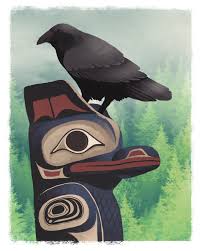
In the heart of Annette Island, where ancient cedar trees whispered secrets and the sea embraced the shore, there lived a curious Raven named Kasko. Kasko was no ordinary bird; he possessed a mischievous spirit and an insatiable appetite for adventure.

One crisp morning, Kasko soared above the village of Metlakatla, his glossy feathers catching the first rays of dawn. His beady eyes scanned the landscape, seeking something new to explore. And there it was—a gathering of elders near the totem poles, their faces etched with wisdom and laughter lines.

Kasko perched on a weathered totem, his ebony wings rustling. “Greetings, honored ones!” he cawed. “Why do your eyes twinkle like stars, and your laughter dance like salmon in the river?”

The eldest among them, Tlingit Grandma Aanika, leaned on her cane. “Ah, Kasko,” she said, her voice as soothing as cedar smoke. “We share stories—the old tales that connect us to our ancestors. Laughter keeps our spirits young.”

Kasko tilted his head. “Tell me a tale, Grandma Aanika. One that will make my feathers ruffle with delight.”

And so, Grandma Aanika began:


“The Dance of the Clamshell”

Long ago, when the world was still raw and unshaped, Raven flew across the vast ocean. His belly grumbled, and his wings grew tired. He spotted a giant clamshell floating on the water—a clamshell so immense that it could hold an entire village.

Curiosity tugged at Raven’s heart. He landed on the clamshell, and with a mighty peck, cracked it open. Inside, he found people—naked, shivering, and hungry. They blinked up at him, their eyes wide as moonstones.

“Who are you?” Raven asked, fluffing his feathers.

“We are the First Ones,” they replied. “We emerged from this shell, but we lack everything—food, warmth, and stories.”

Raven’s heart softened. He transformed into a young man with raven-black hair. “Fear not,” he said. “I’ll provide for you.”

And so, Raven danced. He summoned salmon from the depths, berries from the forest, and fire from the stars. He taught them songs and laughter, weaving joy into their lives.

But Raven was also a trickster. One day, he turned himself into a clam and hid inside the giant shell. When the people gathered, they tried to pry it open, hoping for more treasures. But the clamshell remained shut.

“Perhaps we need laughter,” Grandma Aanika said, her eyes twinkling. “Raven loved mischief. So they sang silly songs, told jokes, and danced until tears streamed down their faces.”

And lo and behold, the clamshell cracked open, revealing Raven, laughing uproariously. The people joined him, their laughter echoing across the island. From that day on, they cherished joy as much as food and fire.


Kasko listened, his black eyes wide. “And what happened to those First Ones?”

Grandma Aanika smiled. “They became our ancestors—the ones who shaped Metlakatla. And Raven?

He still dances in the wind, reminding us to find laughter even in the darkest storms.”

And so, dear friend, whenever you hear a raven’s caw or feel the warmth of shared laughter, know that Kasko’s spirit lives on, weaving magic through time and memory.

The Eagles Gift

Title: “The Eagle’s Gift”

Once upon a time, in the coastal village of Metlakatla, nestled on Annette Island, the Tsimshian people lived in harmony with nature. Their lives were intertwined with the rhythms of the sea, the whispering forests, and the soaring eagles.

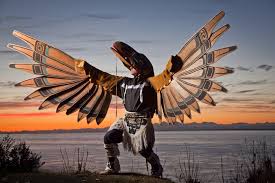
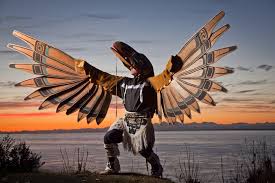
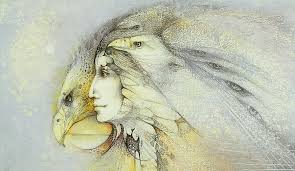
Among the villagers, there was a young girl named Kaya. She possessed a special gift: the ability to communicate with eagles. Whenever she stood on the rocky cliffs overlooking the ocean, the majestic birds would circle above her, their wings catching the sunlight like silver.

One day, as Kaya sat by the shore, an injured eagle landed at her feet. Its wing was broken, and its eyes held a plea for help. Kaya gently cradled the wounded creature, whispering words of healing. She splinted its wing, fed it fish, and sang ancient songs to ease its pain.

Weeks passed, and the eagle regained its strength. It would perch on Kaya’s shoulder, its feathers brushing against her skin. The villagers marveled at this bond—the girl and the eagle, connected by an invisible thread of compassion.

One stormy night, Kaya dreamt of the Spirit of the Eagles. It appeared as an old man with silver hair and eyes that held the wisdom of ages. He spoke to her in a voice that echoed through the winds:

“Kaya, you have been chosen. The eagles are our messengers—they carry our hopes, fears, and dreams. But they are fading. Their wings grow heavy with sorrow, burdened by the troubles of humankind.”

Kaya woke with a sense of purpose. She climbed the highest peak on Annette Island, where the eagles nested. There, she raised her arms to the sky, calling upon the spirits. The wind carried her plea across the ocean, reaching the heart of every eagle.

And then, a miracle unfolded. The eagles gathered—a sea of wings, eyes gleaming with determination. They soared higher, their cries merging into a symphony of hope. Kaya danced among them, her steps echoing the ancient rhythms of Metlakatla.

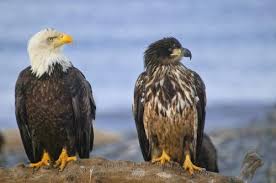
From that day on, the eagles became protectors of the village. They guided fishermen to abundant waters, warned of storms, and carried messages between distant shores. Kaya’s gift had rekindled their purpose—to bridge the gap between earth and sky, between humans and nature.

And so, in Metlakatla, the eagle’s cry was no longer a lonely sound—it was a song of resilience, a reminder that healing begins with compassion and connection.

Remember, my friend, that we all carry gifts within us. Sometimes, it takes a broken wing to discover our true purpose. 


Metlakatla, Alaska: A Saltwater Passage

Metlakatla, also known as Maxłakxaała in the Tsimshian language, is a census-designated place (CDP) located on Annette Island in the Prince of Wales-Hyder Census Area, Alaska, United States. Here are some key points about this unique community:

  1. Origins and Settlement:
    • In 1887, Anglican missionary William Duncan led a group of 826 Tsimshian people from British Columbia, Canada, to establish a new settlement in Alaska.
    • They sought a place where they could practice their faith and maintain their cultural identity.
    • The U.S. government granted them Annette Island after a Tsimshian search committee discovered its calm bay, accessible beaches, nearby waterfall, and abundant fish.
  2. Annette Islands Reserve:
    • Congress officially established Metlakatla as the Metlakatla Indian Community, Annette Islands Reserve in 1891.
    • Annette Island remains the only federally recognized reserve in Alaska.
    • The community opted out of the Alaska Native Claims Settlement Act (ANCSA) of the 1970s, retaining rights to their land and waters.
  3. Community and Membership:
    • Membership in the Metlakatla Indian Community is primarily based on lineage.
    • It consists mainly of Tsimshian people, but also includes members from other Alaskan Native tribes who wish to join.
    • Bona fide membership is granted upon approval by the Metlakatla Tribal Council and Executives.
  4. Cultural Significance:
    • The name “Metlakatla” itself reflects its Tsimshian roots, meaning “saltwater passage.”
    • The community’s connection to nature, eagles, and the sea is deeply woven into its history and identity.
  5. Legacy and Resilience:
    • Metlakatla stands as a testament to resilience, faith, and the pursuit of cultural preservation.
    • Its people continue to honor their heritage, bridging the gap between earth and sky, just as the eagles do.

Remember, Metlakatla’s story is one of strength, adaptation, and the enduring spirit of its people.

Whispers of the Mist

“Whispers of the Mist”

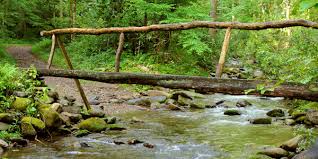
In the heart of the Great Smoky Mountains, where ancient trees stood tall and mist clung to every leaf, there existed a hidden trail known only to a few. It was said that those who followed it would discover secrets whispered by the wind itself.

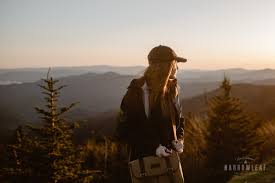
Evelyn, a young woman with a heart full of wanderlust, arrived in Newport one crisp autumn morning. She had heard tales of the mystical trail—a path that led to a forgotten waterfall, its waters shimmering like liquid silver. Determined to unravel its mystery, Evelyn set off with her worn backpack and a map drawn by an old local named Eliza.

The trail began gently, meandering through golden-hued forests. Birds sang, and leaves crunched underfoot. But as Evelyn ventured deeper, the air thickened, and shadows danced among the ancient hemlocks. Eliza’s words echoed in her mind: “Listen to the whispers, child. They’ll guide you.”

The mist thickened, veiling the path ahead. Evelyn’s heart raced as she followed the faint glow of fireflies. She felt eyes upon her—ancient eyes that had witnessed centuries pass. The forest held its breath, waiting for her to unravel its secrets.

At the heart of the trail, Evelyn stumbled upon a moss-covered stone. Its surface bore symbols she couldn’t decipher—symbols etched by hands long gone. She touched it, and the mist swirled, revealing glimpses of the past. A Cherokee hunter tracking deer. A settler’s cabin, smoke rising from its chimney. A soldier returning from war, seeking solace among the trees.

And then she heard it—the whisper. Soft, like the rustle of leaves. “Seek the waterfall,” it urged. “There lies the key.”

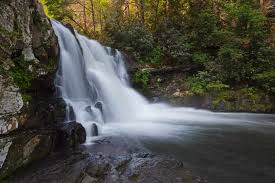
Evelyn pressed on, guided by unseen hands. The forest grew wilder, and the waterfall’s roar echoed through the ancient ravine. There, beneath a curtain of falling water, she found a hidden alcove. Within it rested an ornate box—the key to unraveling time itself.

As Evelyn opened the box, memories flooded her: love lost, battles fought, and dreams unfulfilled. She understood now—the waterfall was a portal, connecting past and present. Eliza’s voice echoed, “Every drop holds a story.”

Evelyn returned to Newport, her heart heavy with wonder. She shared her tale with the townsfolk, and they nodded knowingly. For they, too, had glimpsed the whispers of the mist—the timeless magic of the Great Smoky Mountains.

And so, the trail remained hidden, waiting for the next wanderer to seek its secrets. For in Newport, where mist met mountains, stories were etched into the very fabric of existence.


Newport, Tennessee, has some delightful hidden gems waiting to be explored. Here are a few:

  1. Tour the Historic Courthouse in Downtown Newport: Step back in time and explore the charming architecture and rich history of the courthouse.
  2. Fish the Nolichucky River: If you enjoy fishing, the Nolichucky River offers serene surroundings and excellent angling opportunities.
  3. Explore the Historic Carson Springs Community: Wander through this quaint community and discover its unique character and stories.
  4. Visit the Museum of Appalachia: Immerse yourself in Appalachian culture, artifacts, and traditions at this fascinating museum.
  5. Go Horseback Riding at Big South Fork National Park: Saddle up and explore the scenic trails of the nearby national park.
  6. Take a Hike at the Big South Fork National River and Recreation Area: Lace up your hiking boots and enjoy the natural beauty of this rugged area.
  7. Enjoy a Scenic Drive Through the Cumberland Mountains: Take a leisurely drive and soak in the breathtaking mountain vistas.
  8. Visit the Newport City Park: Relax, have a picnic, and enjoy the green spaces in this lovely park.

These hidden gems offer a mix of history, nature, and local charm

The Wolf’s Vigil

“The Wolf’s Vigil”

In the heart of Metlakatla, where mist kisses ancient cedars, there lived a wolf named Kaskae. His fur bore the silver-gray of moonlight, and his eyes held the wisdom of generations.

Kaskae was no ordinary wolf. He was the guardian of the forest, the sentinel of balance. His duty was to watch over the delicate dance between humans and nature. For Metlakatla was a place where clans—the Eagle, Raven, Wolf, and Killer Whale—coexisted, each with its own spirit and purpose.

One frigid winter, when the auroras painted the sky, Kaskae sensed a disturbance. The humans had forgotten their pact with the land. They hunted recklessly, their greed echoing through the trees. The balance wavered.

Kaskae padded to the village, his breath forming frosty clouds. He stood at the edge, eyes scanning the flickering fires. The elders noticed him—a silent emissary from the wild.

“Kaskae,” they whispered, “what message do you bring?”

The wolf’s gaze held theirs. “The forest weeps,” he said. “The spirits are restless. Honor the old ways, or darkness will descend.”

The villagers listened, their hearts heavy. They remembered the tales—the Wolf Clan’s pact with the land. Kaskae’s ancestors had taught them: Take only what you need, and give back tenfold.

But greed had seeped into their bones. They built taller lodges, felled more trees, and forgot the songs that soothed the earth.

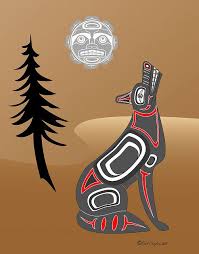
Kaskae vowed to keep vigil. Each night, he circled the village, eyes ablaze. He howled to the moon, a mournful plea for wisdom. The children listened, their dreams filled with wolves and ancient promises.

One bitter dawn, Kaskae vanished. The villagers searched, but he was nowhere to be found. Yet, his spirit lingered—a whisper in the wind, a rustle in the leaves.

And so, they changed. The Wolf Clan led the way, planting saplings, tending to wounded animals, and sharing their catch with gratitude. The other clans followed suit, weaving harmony into their lives.

Years passed, and Metlakatla thrived. The forest embraced them, and Kaskae’s legend grew. Some say he became the northern lights, dancing across the sky to remind them: Balance is fragile, but love can mend it.

And on moonlit nights, when the elders gather, they tell the tale of Kaskae—the wolf who guarded their souls and taught them to honor the land.


May Kaskae’s spirit guide us all, reminding us to tread lightly and protect the fragile threads that bind us to nature.

Wings of the Alaskan Dawn

“Wings of the Alaskan Dawn”


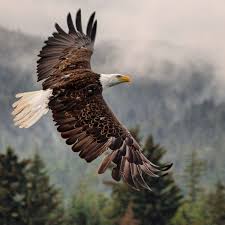
In the heart of Southeast Alaska, where glaciers kiss the sea and ancient forests breathe, an eagle named Keta soared. Her eyes, sharp as the north wind, witnessed a world few could fathom.

Dawn’s Awakening:

  • Each morning, Keta perched atop a towering spruce. The sun, a molten gold disk, painted the fjords below. She stretched her wings, feeling the pulse of life—the heartbeat of the wilderness.

The Dance of Salmon:

  • Keta’s hunger led her to the Chilkat River. There, thousands of herring danced—a silver symphony. She spiraled down, talons outstretched, plucking fish from the water. Their oily richness sustained her.

Nest of Dreams:

  • High in the forest canopy, Keta and her mate wove a nest—a fortress of twigs and moss. They shared the labor, their love evident in every twig placed. Two eggs nestled within—a promise of tomorrow.

Guardian of the Tides:

  • Keta patrolled the coastline. She watched over sea otters, their fur like liquid amber. When danger approached—a rogue eagle or a hungry wolf—she screamed defiance, wings flaring.

The Storm’s Lament:

  • One tempestuous night, rain lashed the forest. Keta clung to her nest, feathers plastered. Lightning split the sky, and she wondered if her fragile home would survive. But it did—a testament to resilience.

The Solitude of Peaks:

  • Sometimes, Keta ascended to snow-capped summits. There, she communed with the spirits of ancestors. They whispered secrets—the ebb and flow of glaciers, the language of stars.

The Gift of Flight:

  • Keta reveled in her wingspan—7.5 feet of freedom. She rode thermals, touched the edge of heaven. She knew that flight was more than physics; it was poetry etched in air.

The Circle of Seasons:

  • As autumn painted leaves crimson, Keta’s chicks hatched. She fed them morsels of salmon, teaching them to soar. Winter came, and they huddled together, warmth in their feathers.

A Silent Goodbye:

  • One day, Keta’s mate didn’t return. She mourned, her cry echoing across fjords. Alone, she faced the bitter cold. But life flowed—a river of endings and beginnings.

Legacy in the Wind:

  • Keta’s white head gleamed against the midnight sky. She knew her time neared. She spread her wings, catching the wind. Her chicks watched, hearts heavy yet hopeful.

And so, as the Alaskan dawn painted the world anew, Keta soared—a guardian, a poet, a witness to eternity.

The Beacon of Courage

“The Beacon of Courage”


In the small town of Willow Creek, nestled among pine-covered hills, the community thrived on unity and resilience. But it was the first responders who held the threads of safety together—the unsung heroes who rushed toward danger while others fled.

Meet Sarah, a paramedic with a heart as steady as her hands. She’d seen it all—the twisted wreckage of car accidents, the flames devouring homes, and the silent cries of those in pain. Yet, every day, she donned her uniform, fueled by a purpose greater than fear.

One chilly evening, the alarm blared—a house fire on Elm Street. Flames licked the sky, casting an eerie glow. Sarah’s boots crunched on the frost-kissed ground as she sprinted toward the inferno. Her breaths matched the rhythm of her pounding heart.

Inside, a family huddled—a mother, two children, and their loyal dog, Max. Smoke choked the air, desperation etched on their faces. Sarah’s gloved hands guided them through the chaos, shielding them from the heat. She felt the weight of responsibility—the fragile line between life and loss.

As the fire roared, Sarah glimpsed the firefighter, Jake, battling the flames. His eyes, fierce yet compassionate, met hers. Together, they wove a safety net—a bridge from despair to hope. Jake’s axe shattered windows, granting escape routes. Sarah’s medical kit mended wounds, both physical and emotional.

Outside, the community gathered—a tapestry of gratitude. Neighbors offered blankets, hot cocoa, and whispered prayers. Their eyes mirrored the flames—a mix of fear and awe. They knew that in this moment, they were bound by more than geography; they were bound by courage.

When the last ember surrendered to the night, Sarah wiped soot from her face. Jake’s hand found hers—a silent acknowledgment. They stood amidst the smoldering ruins, knowing that their sacrifice had woven another thread into the fabric of survival.

As dawn painted the sky, Sarah watched the sun rise—a beacon of hope. She thought of Max, the loyal dog, and how he’d wagged his tail even in the darkest hour. Perhaps that was the essence of being thankful—for the wagging tails, the whispered prayers, and the unwavering bravery.

In Willow Creek, they didn’t just say “thank you.” They cooked meals for the fire station, wrote heartfelt letters, and waved at passing patrol cars. They understood that gratitude wasn’t a mere word—it was a lifeline, connecting hearts across sirens and flashing lights.

And so, in the quiet moments before dawn, Sarah whispered her own prayer—for the first responders who stitched broken lives back together, for the courage that blazed brighter than any fire, and for a community that knew the true meaning of gratitude.


Remember, dear reader, that every siren carries a story—a symphony of sacrifice and resilience. So, next time you see a first responder, offer a smile, a nod, or a simple “thank you.” It’s more than words; it’s a lifeline.

Supporting our local heroes—our first responders—is essential, and there are several meaningful ways we can show our appreciation:

  1. Gratitude and Acknowledgment:
    • A simple “thank you” goes a long way. When you encounter a police officer, firefighter, paramedic, or any other first responder, express your gratitude. Smile, nod, or wave—it matters.
    • Write heartfelt letters or cards to your local fire station, police department, or emergency medical services (EMS). Let them know you appreciate their dedication.
  2. Community Initiatives:
    • Organize community events or appreciation days specifically for first responders. Invite them to participate or provide them with meals, snacks, or small tokens of appreciation.
    • Collaborate with local businesses to offer discounts or special deals for first responders. It’s a tangible way to say “thank you.”
  3. Donate Supplies:
    • Reach out to your local fire station or police department to inquire about their needs. They often require items like bottled water, non-perishable snacks, and hygiene products.
    • Consider donating safety equipment, such as reflective vests or flashlights, to enhance their safety during night shifts.
  4. Support Mental Health:
    • First responders face immense stress and trauma. Support mental health initiatives that cater specifically to them.
    • Encourage open conversations about mental well-being within the first responder community. Normalize seeking professional help when needed.
  5. Educate and Advocate:
    • Educate yourself and others about the challenges first responders face. Understand their work hours, risks, and sacrifices.

    • Advocate for policies that improve their working conditions, mental health support, and fair compensation.
  6. Emergency Preparedness:
    • Attend local workshops or training sessions on emergency preparedness. Learn basic first aid, CPR, and how to use an automated external defibrillator (AED).


    • Share this knowledge with your community. Prepared citizens contribute to overall safety.
  7. Random Acts of Kindness:
    • Pay for a first responder’s coffee or meal when you see them at a café or restaurant.
    • If you encounter a police officer conducting traffic control, offer a friendly smile and a wave.

Remember, supporting our local heroes isn’t just about grand gestures—it’s about consistent appreciation and understanding. Every small act counts, and together, we can create a stronger, more compassionate community.

Blog at WordPress.com.

Up ↑