The Totem Carvers Tale

The Totem Carver’s Tale
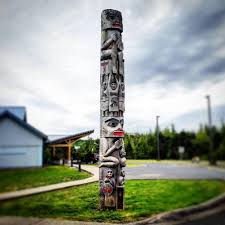
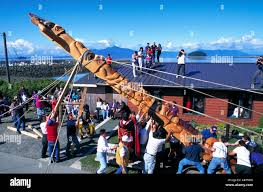
In the heart of the Pacific Northwest, where ancient forests whispered secrets and mist clung to towering cedars, there lived a totem carver named Kaya. Her hands bore the calluses of countless chisel strokes, and her eyes held the wisdom of generations.

Kaya’s modest cabin stood near the edge of the forest, overlooking the gray expanse of the Salish Sea. Each morning, she would step outside, breathe in the salt-laden air, and greet the cedar trees as if they were old friends. The totem poles that dotted the landscape told stories—of ancestors, animals, and the spirit world. Kaya longed to add her own tale to their silent ranks.

One stormy evening, as rain drummed on the roof, Kaya dreamt of a great raven. Its obsidian feathers shimmered, and its eyes held the secrets of the universe. The raven spoke in a language only Kaya understood, urging her to carve a totem that would bridge the mortal realm and the beyond.

Guided by her vision, Kaya selected a massive cedar log—the heartwood of a fallen giant. She set to work, her chisel biting into the wood like a hungry bear. She carved the raven first, its wings outstretched, ready to take flight. Next came the salmon, leaping upstream—a symbol of resilience and determination. And finally, the moon-faced owl, guardian of the night.

Days blurred into weeks, and Kaya lost herself in the rhythm of creation. She sang old songs, invoking the spirits of her ancestors. The totem seemed to come alive under her touch, its figures dancing with hidden purpose. Yet, as she worked, Kaya wondered: What story did the raven wish to tell? What ancient pact had she unwittingly sealed?

One moonless night, the raven returned. It perched atop the half-carved totem, its eyes gleaming. “Finish it,” it croaked. “Only then will you understand.”

Kaya worked feverishly, her fingers bleeding, her heart racing. The totem took shape—the raven’s wings merging with the salmon’s tail, the owl’s eyes reflecting the moon’s silver glow. And at the pinnacle, she carved herself—a woman with eyes wide open, seeking answers.

As the last stroke fell, the totem shuddered. The forest held its breath. Kaya stepped back, her breath misting in the cold air. The raven’s beak opened, and it spoke: “You are part of this now. Your story etched into cedar, your spirit entwined with ours.”

And so, Kaya became both carver and carved. She stood beside her creation, feeling the weight of centuries. The totem pulsed with life, its ancient voices whispering through the rings of time. Kaya’s eyes met the owl’s, and she glimpsed eternity.

From that day on, Kaya wandered the forest, her footsteps echoing those of her totem. She listened to the wind, deciphered the rustle of leaves, and danced with the shadows. The villagers marveled at her newfound wisdom, unaware that she was but a vessel—a living story told in wood.

And when Kaya’s time drew near, she lay down beside her totem. The raven perched on her chest, its feathers merging with hers. As her breath faded, the totem absorbed her essence, and she became one with the ancient cedar.

To this day, travelers pause by Kaya’s totem, tracing the contours of her face. They hear her laughter in the wind, taste her tears in the rain. And sometimes, just before dawn, the raven takes flight, soaring toward the horizon, carrying Kaya’s spirit to realms beyond.

And so, the Totem Carver’s tale lives on—a whispered secret in the heart of the forest, waiting for another dreamer to listen and carve their truth into the wood.

Note: This fictional story draws inspiration from Native American folklore and the rich tradition of totem poles. 

A Short Story about the Longhouse

Native American Longhouse:


Title: “Whispers of the Cedar Longhouse”

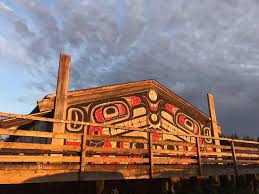
In the heart of the forest, where ancient trees stood tall and proud, there existed a cedar longhouse—a dwelling woven from stories and memories. Its walls, crafted from cedar logs and woven bark, held secrets whispered by generations.

Nokomis, the wise grandmother, tended the fire at the center. Her eyes, like polished stones, held the weight of time. She taught the children the old ways—the songs that danced with the wind, the rhythms of the seasons, and the language of the stars.

Little Wolf, a curious boy with eyes as deep as the night sky, loved to listen to Nokomis. He sat cross-legged by the fire, watching the flames lick the air. The longhouse hummed with stories—the laughter of ancestors, the sorrow of lost loves, and the courage of warriors.

One moonlit night, as the cedar scent enveloped them, Nokomis shared a tale:

“Long ago,” she began, “when the world was young, the spirits gifted our people with the knowledge to build these longhouses. Each log, each woven strip of bark, held a piece of our soul. We lived in harmony—sharing warmth, food, and dreams.”

Little Wolf’s eyes widened. “Why did we stop building them, Nokomis?”

“Times changed,” Nokomis replied. “The settlers arrived, bringing their square houses and iron tools. Our longhouses faded, but their echoes remained.”

“Can we bring them back?” Little Wolf asked.

Nokomis smiled. “Perhaps. But not as mere structures. We must weave our stories anew. Listen, child: The cedar remembers. It holds the laughter of your great-grandfather, the tears of your aunt who danced with the northern lights, and the courage of Uncle Sol—the first Native American Navy SEAL.”

“Uncle Sol?” Little Wolf leaned closer.

“Yes,” Nokomis said. “He left this forest, sailed distant seas, and returned with tales of valor. His spirit lives on, woven into the very fibers of our longhouse.”

And so, Little Wolf vowed to honor Uncle Sol’s legacy. He gathered the community—the elders, the children, and everyone in between. They sang songs, carved symbols into cedar, and rekindled the fire of kinship.

The cedar longhouse stood once more—a bridge between past and present. Its walls whispered stories of resilience, love, and the unbreakable thread that connected them all.

And as the fire crackled, Nokomis whispered to the stars, “Our longhouse lives on, Little Wolf. It breathes through you.”


Remember, our heritage is not lost—it thrives in the stories we tell and the bonds we forge. 🌲

The Old Oak Tree

“The Old Oak Tree”

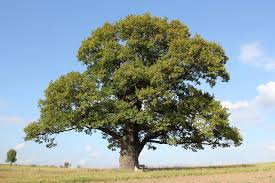
Once upon a time, in a small village nestled among rolling hills, there stood an ancient oak tree. Its gnarled branches reached toward the sky, and its leaves whispered secrets to the wind. The villagers believed that the tree held the memories of generations past, and they often gathered beneath its shade to share stories.

Every year, on Father’s Day, families would come to the old oak tree. They brought picnic baskets filled with sandwiches, fruit, and homemade cookies. Children played tag around its trunk, their laughter echoing through the meadow. Fathers sat on the grass, their faces weathered but kind, reminiscing about their own fathers and grandfathers.

One Father’s Day, a young boy named Liam sat cross-legged at the base of the oak tree. His father, Thomas, sat beside him, a twinkle in his eye. Thomas had always been a man of few words, but his love for Liam was evident in the way he tousled his son’s hair and smiled.

“Liam,” Thomas said, “do you know why we come here every year?”

Liam shook his head, curious.

“This tree,” Thomas began, tapping the rough bark, “has seen countless Father’s Days. It has witnessed joy and sorrow, laughter and tears. And it remembers.”

Liam frowned. “Remembers what, Dad?”

“Stories,” Thomas replied. “Stories of fathers who taught their children to ride bicycles, stories of bedtime tales whispered in the dark, stories of sacrifices made for love.”

Liam leaned against the tree, closing his eyes. He imagined the generations before him—strong men with calloused hands, gentle souls who held their children close. He wondered about the stories they’d shared, the lessons passed down like heirlooms.

“Tell me a story, Dad,” Liam said.

Thomas chuckled. “All right. Once, when I was your age, my father brought me here. He told me about the time he climbed this very tree to rescue a stranded kitten. He said it was the bravest thing he’d ever done.”

Liam’s eyes widened. “Did you climb it too?”

Thomas nodded. “I did. And you know what? That kitten grew up to be the best mouser in the village.”

They laughed together, the sound blending with the rustle of leaves. Liam felt a connection—a thread that tied him to his father, his grandfather, and all the fathers who had come before.

As the sun dipped below the horizon, casting a warm glow on the meadow, Liam whispered to the old oak tree, “Thank you for remembering.”

And the tree seemed to nod, its branches swaying gently.


And so, in that quiet village, Father’s Day became more than just a date on the calendar. It became a celebration of love, memories, and the timeless bond between fathers and their children.

Happy Father’s Day to all the dads out there! 🌳

Blog at WordPress.com.

Up ↑