

“Journey to Annette Island”
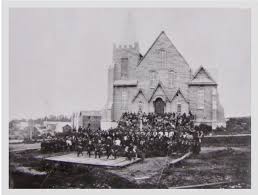
In the heart of the Tsimshian territory, nestled between towering forests and the shimmering waters of the Pacific, lay the village of Metlakatla. The people thrived on the bounty of the land and sea, their lives woven with the threads of tradition, kinship, and reverence for nature.
But change was brewing. Across the border in British Columbia, the Canadian government sought to assimilate indigenous communities. Their laws suppressed native languages, disrupted cultural practices, and threatened ancestral lands. The Church of England, too, had its eyes on Metlakatla, eager to exert control over the thriving community.
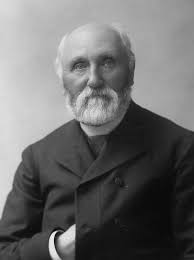
Amidst this turmoil, a man named William Duncan emerged as a beacon of hope. A lay-priest, he believed in preserving Tsimshian culture, language, and autonomy. When faced with the choice of surrendering their land or resisting the Canadian Army, the people of Metlakatla made a bold decision.
They packed their canoes, bid farewell to their homes, and embarked on a journey northward. Their destination: Annette Island, Alaska—an untouched wilderness where they could build anew. The voyage was treacherous, but their determination carried them through storms and uncertainty.
As they landed on Annette Island, the salty breeze welcomed them. The forest whispered ancient secrets, and the waves sang songs of resilience. They set up camp, their spirits unyielding. William Duncan, now their leader, ensured that chiefs held positions of authority, and the Tsimshian language echoed through the trees.
In Alaska, they negotiated unprecedented rights—the right to fish, the right to land, the right to thrive. Their resilience bore fruit, and Metlakatla flourished once more. Founder’s Day became a yearly celebration, honoring their ancestors’ courage and the indomitable spirit that carried them across borders and into a new chapter of their story.
And so, the legacy of Metlakatla endures—a testament to community, heritage, and the unwavering bond between land and people.
Metlakatla has tenaciously preserved its cultural heritage through a blend of tradition, community efforts, and adaptation. Here are some ways they’ve achieved this:

- Language Revitalization: The Tsimshian language remains central to Metlakatla’s identity. Elders pass down oral traditions, stories, and songs, ensuring that the language thrives. Language immersion programs and language nests help younger generations learn and speak Tsimshian.
- Ceremonies and Celebrations: Metlakatla hosts annual events like Founder’s Day, potlatches, and tribal gatherings. These occasions celebrate cultural practices, dances, and songs. They reinforce community bonds and honor ancestors.
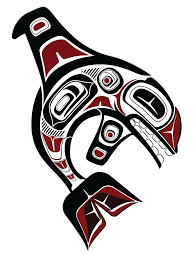
- Art and Craftsmanship: Tsimshian artists create intricate wood carvings, totem poles, and regalia. These pieces tell stories, depict clan crests, and connect the present to the past. Art workshops and apprenticeships sustain these skills.
- Fishing and Subsistence Practices: Fishing remains vital. Traditional methods, such as dip-netting for salmon, continue alongside modern techniques. Elders teach sustainable practices, emphasizing respect for the environment.
- Education and Youth Involvement: Schools incorporate Tsimshian culture into curricula. Elders visit classrooms, sharing knowledge. Youth engage in cultural camps, learning drumming, dancing, and traditional skills.
- Community Governance: Metlakatla’s elected council includes hereditary chiefs. They collaborate to protect land, fishing rights, and sacred sites. Decision-making reflects cultural values.
- Storytelling and Oral History: Elders pass down stories of migration, survival, and resilience. These narratives inspire pride and resilience in younger generations.
- Digital Media and Documentation: Metlakatla uses technology to record oral histories, document ceremonies, and share cultural knowledge online. Social media platforms connect community members worldwide.
- Environmental Stewardship: The Tsimshian people view their land as sacred. Efforts to protect forests, rivers, and wildlife align with cultural beliefs. Traditional ecological knowledge informs conservation practices.
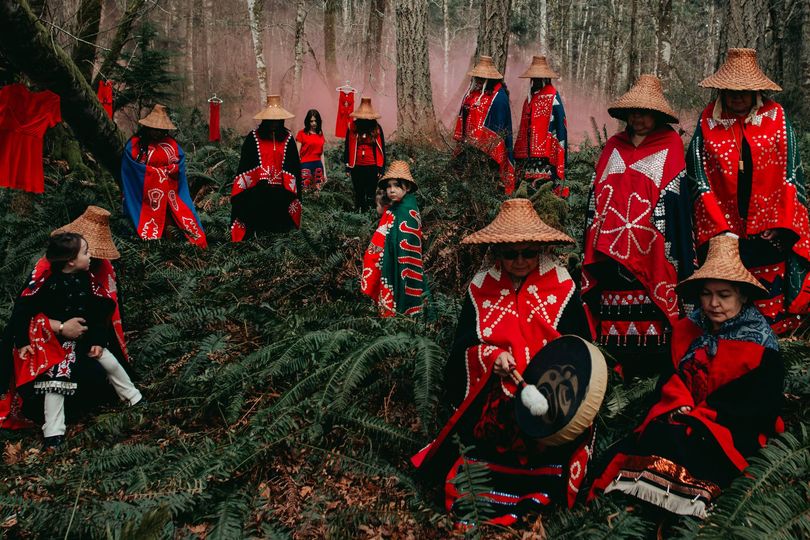
- Intertribal Collaboration: Metlakatla collaborates with other indigenous communities, sharing cultural practices, language resources, and strategies for preservation.
In summary, Metlakatla’s commitment to language, art, education, and community ensures that their cultural heritage thrives across generations.


 Notes from Alex