The Threads of Hope

Title: “Threads of Hope”

In the heart of Eastwood Heights, where the paint peeled from aging houses and the streets whispered forgotten dreams, there existed a struggling community. The residents—each with their own burdens—wove a fragile tapestry of survival.

  1. The Weaver’s Daughter: Young Eliza, daughter of the neighborhood weaver, knew every thread that bound them together. Her father’s loom clacked rhythmically, creating blankets to warm the shivering, scarves to shield against biting winds. Eliza watched, her fingers itching to join the dance of warp and weft.
  2. The Empty Lot: At the center of Eastwood stood an empty lot—a barren canvas yearning for purpose. The elders remembered when it bloomed with tulips and laughter. Now, it harbored weeds and secrets. Eliza vowed to change that.
  3. The Gathering: Eliza rallied her friends: Miguel, the retired baker with a heart as warm as his oven; Mrs. Patel, who tended the community garden; and Jake, the graffiti artist who painted hope on crumbling walls. They met in the lot, their breath visible in the chill.
  4. The Vision: “We’ll create a mosaic,” Eliza declared. Broken tiles, discarded glass, and shards of memories would form a mural—a testament to resilience. Each piece represented a neighbor’s struggle: the single mother, the war veteran, the immigrant seeking refuge.
  5. The Broken Pieces: They scavenged. Eliza found a blue shard—the color of forgotten skies. Miguel contributed a fragment of a bread bowl, symbolizing sustenance. Mrs. Patel added a cracked teacup—a reminder of shared stories.
  6. The Assembling: Eliza’s hands trembled as she arranged the pieces. Jake’s spray cans transformed the lot’s walls into a canvas of hope. The mosaic grew—a phoenix rising from despair. Neighbors watched, curiosity sparking in their eyes.
  7. The Unveiling: On a frost-kissed morning, they gathered. Eliza pulled the tarp away, revealing their creation. Gasps echoed. Tears flowed. The mosaic told their story—the struggle, the unity, the beauty in brokenness.
  8. The Threads of Connection: Neighbors shared stories: the widow who found solace in the mosaic’s colors, the troubled teen who traced its lines, and the homeless man who slept beside it. The lot transformed—a place of healing, laughter, and whispered dreams.
  9. The Legacy: Eliza’s father wove a new blanket—one that bore the mosaic’s pattern. It wrapped around the community, warming hearts. Eastwood Heights was no longer struggling; it was thriving, stitched together by threads of hope.

And so, in the quiet corners of Eastwood, where resilience bloomed like wildflowers through cracks in the pavement, they found strength. Their mosaic stood as a testament: a struggling community could weave beauty from brokenness.


And Now, THE REST OF THE STORY!

Ah, the famous phrase! It reminds me of the late radio broadcaster Paul Harvey, who used it to introduce captivating stories. 🎙️

Let’s dive into a fictional tale, shall we? Imagine a quaint little town nestled in the heart of the Appalachian Mountains. The townsfolk, with their weathered faces and kind hearts, have a secret—a secret that has been passed down through generations.

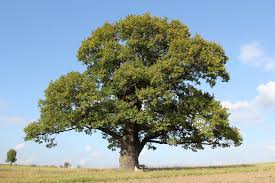
In the heart of the forest stands an ancient oak tree, its gnarled roots sinking deep into the earth. Legend has it that this tree holds the memories of the land itself. When the moon is full, whispers echo through its leaves, revealing forgotten tales of love, loss, and courage.

One moonlit night, young Emma ventured into the forest. Her grandmother’s wrinkled hand had clasped hers, guiding her toward the oak. “Listen, child,” Grandma whispered. “The tree will tell you stories—the ones that time forgot.”

Emma pressed her ear against the rough bark, and suddenly, the air shimmered. The tree’s voice, like wind through chimes, filled her senses. It spoke of star-crossed lovers who met under its branches, of battles fought and won, and of dreams woven into the very fabric of the forest.

As Emma listened, she felt the weight of centuries—the joy, the sorrow, the resilience. She heard the laughter of children playing hide-and-seek, the tears shed by those who sought solace, and the rustle of leaves as secrets were shared.

And then, the tree revealed its greatest secret: a prophecy. “When the moon wanes thrice,” it murmured, “a hero shall rise. They will mend what’s broken, heal what’s wounded, and restore balance to our world.”

Emma’s heart raced. Could she be the hero? She was just a girl from a small town, after all. But the tree’s words ignited a fire within her—a determination to uncover the truth, to unravel the mysteries hidden in the forest’s depths.

Days turned into weeks, and Emma delved deeper. She deciphered ancient runes, consulted with wise owls, and danced with fireflies under the moon. Each revelation brought her closer to the heart of the prophecy.

Finally, on the third waning moon, Emma stood before the oak. Its leaves whispered urgently. “The time has come,” they said. “You are the hero.”

With trembling hands, Emma touched the tree’s trunk. Visions flooded her mind: battles to be fought, sacrifices to be made, and a love that transcended time. She accepted her destiny—the burden and the honor.

And so, Emma set forth—to mend fractured bonds, to heal wounded souls, and to protect the forest that cradled her town. The whispers of the oak guided her, and as she walked, she knew that this was her story—the rest of the story.

Emma’s journey! Let’s delve deeper into her path:

Emma embraced her newfound role as the forest’s hero. She wandered through ancient groves, her footsteps guided by the whispers of leaves and the moon’s gentle glow. Along the way, she encountered mystical creatures—the kind that existed beyond the veil of ordinary reality.

  1. The Spirit of Resilience: Emma met an old fox with silver fur—the Spirit of Resilience. Its eyes held centuries of wisdom. “Child,” it said, “resilience isn’t about avoiding pain; it’s about rising after every fall.” The fox taught her to dance in the rain, to find beauty in scars, and to carry hope like a lantern through the darkest nights.
  2. The River of Memories: Emma reached the River of Memories, where water flowed like liquid time. She dipped her hands into its currents, reliving moments from the past. She witnessed battles fought by warriors who had once stood where she stood. Their courage fueled her resolve.
  3. The Broken Bridge: To fulfill the prophecy, Emma had to cross the Broken Bridge—a treacherous span suspended between two cliffs. Each step required trust, for the planks wobbled and threatened to collapse. She thought of her own brokenness—the scars from childhood trauma—and stepped forward. The bridge held.
  4. The Oracle’s Riddle: High atop a mist-shrouded peak, Emma met the Oracle—a raven with eyes like galaxies. It posed a riddle: “What is stronger than fear, yet fragile as a butterfly’s wing?” Emma pondered, her mind weaving through possibilities. The answer came to her in a whisper: “Hope.”
  5. The Healing Song: Emma learned a healing song from a reclusive bard. Its melody resonated with the forest’s heartbeat. When she sang, wounds closed, hearts softened, and broken spirits found solace. She sang for grieving mothers, wounded warriors, and lost souls seeking solace.
  6. The Final Battle: As the third waning moon approached, Emma faced the ultimate challenge. An ancient evil—a shadow born from forgotten hatred—threatened to consume the forest. With her heart full of love, she confronted it. The oak tree’s roots trembled, and Emma channeled the resilience of generations. She fought not with swords, but with compassion and forgiveness.

And so, Emma fulfilled the prophecy. The forest flourished, scars turned into stories, and hope bloomed like wildflowers. She became a legend—a beacon for those who needed courage. And as the moon waxed anew, the oak whispered, “You are the rest of the story.

The Most Beautiful Heart – Lessons Learned…

The story of “The Most Beautiful Heart” teaches us several valuable lessons:

  1. True Beauty Lies in Love and Compassion: The older man’s scarred heart symbolizes a life filled with love, sacrifice, and compassion. It reminds us that true beauty isn’t about physical perfection but about the capacity to love deeply, even when it leaves scars.
  2. Imperfections Are Part of Our Journey: Just as the older man’s heart bore scars, our own life experiences—both joyful and painful—leave their marks. These imperfections shape us, making us more empathetic, understanding, and resilient.
  3. Generosity and Vulnerability: The act of sharing pieces of their hearts demonstrates generosity and vulnerability. When we open ourselves to others, we create meaningful connections and enrich our lives.
  4. Embrace Both Joy and Pain: The story encourages us to embrace both joy and pain. Our hearts expand when we love, even if it means experiencing heartache. It’s a reminder that life’s challenges contribute to our growth.
  5. Community and Connection: The intertwined hearts of the two men symbolize the power of community and connection. We are stronger together, and our shared experiences create bonds that transcend appearances.

In summary, the story invites us to value love, compassion, and resilience over superficial beauty. It encourages us to cherish our scars as reminders of our capacity to love deeply.

The Most Beautiful Heart

The Most Beautiful Heart

Once upon a time, in a picturesque valley, there lived a young man who was immensely proud of his healthy and beautiful heart. He stood in the town square, proclaiming to everyone that he possessed the most exquisite heart in the entire valley. A curious crowd gathered to witness this marvel.

Indeed, the young man’s heart was smooth, shiny, and seemingly flawless. Everyone agreed that it was the most beautiful heart they had ever seen. The proud man reveled in their admiration.

But then, an older man stepped forward from the crowd. His heart, though strong and healthy, bore scars—uneven edges, missing pieces, and deep gouges. The crowd chuckled, wondering how this man could claim to have a beautiful heart when it was so marked by imperfections.

Undeterred, the older man explained, “Each scar represents a person I’ve loved. I’ve given pieces of my heart to them, and sometimes they’ve returned the favor. But not always. Even the empty gouges remind me of my love for those who didn’t reciprocate.”

He continued, “True beauty lies not in perfection but in the capacity to love deeply, despite the scars. Your heart may look flawless, but I would never trade it for mine.”

Tears welled up in the eyes of the young man and the crowd. Moved by the older man’s wisdom, the young man reached into his own perfect heart, tore out a piece, and offered it to the older man. In return, the older man shared a piece of his scarred heart.

The young man’s heart was no longer smooth and shiny, but it was more beautiful than ever. It now carried the love of another—a love that flowed between them, transcending appearances.

And so, side by side, they walked away, their hearts forever intertwined.

The Beautiful Culture of my People….

I’m delighted to be home in Metlakatla, and am enjoying learning about the Tsimshian heritage! My Heritage… Our culture is truly captivating, and their stories resonate across generations.

Today, the Tsimshian people honor their rich cultural heritage through various practices and celebrations. Here are some ways they continue to embrace their traditions:

  1. Potlatch (Yaawk):
  1. Carvings and Totem Poles:
  2. Community Ceremonial Feasts:
  1. Language and Art Revival:

Their commitment to heritage ensures that the Tsimshian legacy endures, connecting past, present, and future.

The Tsimshian people have a profound connection with nature, shaped by their coastal environment and rich cultural heritage. Here are some aspects of their relationship with the natural world:

  1. Resource Harvesting:
  2. Spiritual Tradition:
  3. Genetic Resilience:
  4. Matrilineal Kinship System:

In summary, the Tsimshian’s deep respect for nature, their spiritual beliefs, and their genetic resilience all contribute to their enduring connection with the natural world. 

Shades neighborhood Catnip Party

Once upon a time in a quiet suburban neighborhood, there lived a curious cat named Shades. Shades had a reputation for being the most adventurous cat on the block, always finding new and exciting places to explore. One sunny afternoon, Shades discovered something extraordinary—a fresh stash of catnip growing wild in the vacant lot next door.

Excited about his discovery, Shades decided to throw a catnip party and invite all his feline friends. News of the party spread quickly, and soon enough, cats from all over the neighborhood were gearing up for the event.

Meanwhile, in the driveway of a cozy house at the end of the street, there sat a family car named Betsy. Betsy was a reliable old sedan with a heart of gold, always ready for an adventure. The family that owned Betsy loved taking her on road trips, but today, Betsy had a new mission: to help Whiskers with his catnip party.

As the sun began to set, Shades approached Betsy with a mischievous glint in his eye. He needed a way to transport all the catnip to the park where the party would be held. Understanding Shades’ plan, Betsy revved her engine in agreement. With Whiskers riding shotgun, they drove to the vacant lot and loaded up the car with bundles of fragrant catnip.

The park was soon filled with cats, all eagerly awaiting the start of the party. Betsy rolled in, her trunk filled to the brim with catnip. Shades hopped out and began distributing the catnip, much to the delight of his friends. The cats rolled, pounced, and purred in ecstasy as they indulged in the catnip, creating a scene of pure feline bliss.

As the night went on, the cats enjoyed games, shared stories, and lounged around in a happy, catnip-induced haze. Betsy watched from a distance, her headlights glowing softly in the dark. She felt a warm sense of satisfaction, knowing she had played a crucial role in making this magical night happen.

The next morning, as the first light of dawn crept over the horizon, the cats began to disperse, returning to their homes with memories of the best catnip party ever. Shades gave Betsy a grateful nuzzle before trotting off, knowing that this was a night the neighborhood cats would never forget.

Betsy, now empty and content, waited patiently in the driveway, ready for whatever adventure might come next. And though she was just a car, in that moment, she felt like a part of the family—and the neighborhood’s favorite hero.

And so, in the heart of the suburban streets, a car and a cat forged an unlikely friendship, united by a shared adventure and the joy of a catnip party that would be remembered for years to come.

Healing – While Going Through, “The Dark Night of The Soul.”

Certainly! The concept of the “Dark Night of the Soul” has intrigued mystics, poets, and seekers for centuries. It represents a profound inner journey—a passage through darkness that ultimately leads to transformation and healing.

In this metaphorical desert, our familiar frameworks crumble—the roles we play, our achievements, and the meaning we’ve ascribed to life. It often begins with a catalytic event: illness, loss, or a shattered dream. Suddenly, who we thought we were no longer resonates. We’re adrift without the usual anchors—material possessions, status, or roles.

Consider my dear friend who longed to be a mother. Years of miscarriages left her feeling purposeless. Yet, through her pain, she found healing. She wrote a book for other motherless women, turning her grief into medicine.

The dark night is a crucible where identity dissolves, but from its ashes, we emerge wiser, more compassionate, and connected to our true essence. It’s a journey of healing, a rebirth into a deeper understanding of love and oneness.

So, if you find yourself in the dark night, know that it’s a sacred passage—a transformative bridge to the light. 

Navigating your own Dark Night of the Soul can be both challenging and transformative. Here are some strategies to guide you through this profound inner journey:

  1. Acceptance and Compassion:
    • Acknowledge that the dark night is a natural part of spiritual growth.
    • Be gentle with yourself. Allow emotions to arise without judgment.
  2. Self-Reflection:
    • Dive into introspection. Ask yourself: What beliefs, attachments, or patterns no longer serve me?
    • Journal your thoughts and feelings. Explore your inner landscape.
  3. Seek Support:
    • Connect with trusted friends, family, or a spiritual mentor.
    • Share your experiences. Sometimes, speaking aloud brings clarity.
  4. Mindfulness and Presence:
    • Practice mindfulness meditation. Observe thoughts without attachment.
    • Ground yourself in the present moment. Breathe deeply and feel your body.
  5. Release Attachments:
    • Let go of what no longer aligns with your true self.
    • Detach from external validation, roles, and expectations.
  6. Creative Expression:
    • Write, paint, dance, or create. Express your inner turmoil.
    • Art can be a bridge between darkness and light.
  7. Surrender:
    • Trust the process. Sometimes healing occurs when we release control.
    • Surrender to the unknown, allowing transformation to unfold.

Remember, the dark night is a sacred passage—a cocoon where you transform into a more authentic version of yourself. 

“Life doesn’t get easier or more forgiving; we get stronger and more resilient.” — Steve Maraboli

Remember, resilience is our ability to bounce back, stand tall in adversity, and thrive despite life’s challenges.

Today is Juneteenth…

Juneteenth, also known as Emancipation Day, celebrates the end of slavery in the United States. On June 19, 1865, Union soldiers arrived in Galveston, Texas, and informed African Americans that slavery had been abolished—more than two years after the Emancipation Proclamation. The formerly enslaved rejoiced with prayer, feasting, and song. Juneteenth has since become an annual tradition, marked by prayer services, speeches, family gatherings, and festivals, symbolizing freedom and resilience.

A few poignant poems about freedom:

  1. “Let America Be America Again” by Langston Hughes:
  2. Let America be America again.
    Let it be the dream it used to be.
    Let it be the pioneer on the plain.
    Seeking a home where he himself is free.
    (America never was America to me.)
    Let America be the dream the dreamers dreamed—
    Let it be that great strong land of love.
    Where never kings connive nor tyrants scheme1
    .
  3. “Freedom Opportunity” by Raymond Garfield Dandridge:“Freedom Opportunity” celebrates the spirit of independence and self-determination.
  4. “No Bondage For Me” by William Francis Barnard:A liberating poem that explores emancipation from oppressive systems.
  5. “The Divine Source of Liberty” by Samuel Adams:Reflects on the profound connection between law, liberty, and the human spirit.
  6. “Song of the American Eagle” (Anonymous):An uplifting piece that soars with the symbolism of freedom.

Here are some remarkable historical figures who championed liberty and fought for freedom:

Patrick Henry
Patrick Henry
  1. Patrick Henry:
Gilbert du Motier, Marquis de Lafayette
  1. Marquis de Lafayette:
Mahatma Gandhi
Mahatma Gandhi
  1. Mahatma Gandhi:

These individuals left indelible marks on history, reminding us of the enduring value of liberty. 

Just Begin to Write…

Ideas and ways to overcome writers block:

Writer’s block can be frustrating, but there are effective strategies to overcome it. Here are some tips:

  1. Determine the root of the problem: Reflect on what’s causing the block. Is it self-doubt, lack of inspiration, or something else?
  2. List your favorite books and writers: Revisit their work for inspiration. Sometimes seeing how others handle creativity can spark your own ideas.
  3. Build a solid routine: Establish a writing schedule. Consistency helps break through mental barriers.
  4. Write it badly at first: Give yourself permission to write poorly initially. You can always revise later.
  5. Find a different way into the story: Start with a different scene, character, or perspective. Shake things up!
  6. Start in the middle: Don’t feel obligated to begin at the beginning. Dive into an exciting part of your story.
  7. Optimize your toolkit: Experiment with different writing tools, environments, or techniques to find what works best for you.

Journal prompts can be a wonderful way to spark creativity and deepen your self-reflection. Here are a few prompts you might find inspiring:

  1. Write a letter to your favorite fictional character, describing your life and experiences as if you were part of their world.
  2. Imagine meeting a future version of yourself. What questions would you ask? What advice would you seek?
  3. Contemplate your favorite word or phrase. Why does it resonate with you? What memories or emotions does it evoke?
  4. Choose a random object from your surroundings—a pen, a leaf, a coffee cup—and explore its significance. What stories or associations come to mind?

A few points to ponder as you continue YOUR Journey of writing:

Here are a few inspiring quotes for writers:

  1. “I love deadlines. I love the whooshing noise they make as they go by.” — Douglas Adams1.
  2. “Be not afraid of going slowly, be afraid of standing still.” — Chinese Proverb1.
  3. “Don’t be a writer; be writing.” — William Faulkner1.

To Write or NOT To Write…

In the quiet of dawn, ink meets paper, A dance of thoughts, dreams, and whispers. Should I weave tales of skies and stars, Or let silence reign, untouched by scars?

To write is to breathe life into the void, To paint emotions with words, unalloyed. Yet hesitation lingers, like morning dew, As I ponder the canvas, both old and new.

The pen hesitates, then dances free, Tracing arcs of longing, hope, and glee. For in each stroke, a universe unfurls, A symphony of syllables, a map of worlds.

So write, my friend, with courage and grace, Let your heart spill ink across time and space. For words are bridges, connecting souls, And healing awaits where creativity unfolds.

Wings of Imagination

In the quiet of twilight, dreams take flight, On wings of imagination, they soar to height. They flutter like butterflies, delicate and free, Across the canvas of our minds, a symphony.

The moon whispers secrets to the stars, As ink spills from constellations afar. Each word a feather, light as a sigh, Weaving tales of wonder, reaching high.

The poet’s heart, a compass unswayed, Guided by stardust, across galaxies sprayed. In verses, we find solace, courage, and grace, A sanctuary where time and space embrace.

So let your thoughts dance, unfurl, and play, Compose your universe, night into day. For within your words lies magic untold, And poetry, my friend, is life’s pure gold.

Blog at WordPress.com.

Up ↑