
Running on EMPTY

In a bustling city filled with the constant hum of life, there was a man named Theo. He was a hard worker, always the first to arrive at the office and the last to leave. His colleagues admired his dedication, but they didn’t see the weariness in his eyes or the heaviness in his steps as he walked home each night.

Theo felt like he was running on empty. His days were a blur of meetings, reports, and deadlines. He had forgotten the last time he had stopped to enjoy a moment for himself. The vibrant city around him felt dull and colorless, and his own dreams seemed to have faded into the background.

One evening, as Theo trudged home, he took a different path through the park. The sun was setting, casting a warm glow over the trees and the grass. He saw a young girl chasing bubbles, her laughter ringing clear and true. Watching her, something stirred within Theo—a memory of simpler times, of joy and wonder.

He sat on a bench, taking a deep breath for the first time in what felt like forever. He watched the world go by: couples walking hand-in-hand, dogs chasing after frisbees, and the sky turning from orange to pink to a deep twilight blue.

Theo realized that he had been so focused on running the race that he had forgotten to enjoy the journey. He decided then and there to make a change. He would find balance in his life, make time for the things that brought him joy, and reconnect with the dreams he had set aside.

The next day, Theo didn’t go to work. Instead, he spent the day exploring the city, visiting the art museum he had always passed by, and enjoying a leisurely lunch at a café with a view of the river. He felt like he was filling up again, with energy, with color, with life.

From that day on, Theo made sure to take a moment each day to just be—to listen, to observe, to live. He was no longer running on empty; he was savoring each step, each breath, each moment.

And so, Theo’s story reminds us that it’s okay to step off the treadmill of life sometimes. It’s not just about refueling but about remembering to live a life filled with moments that matter, moments that remind us we’re not just running, we’re living. 

SO – WHAT CAN I DO?

Finding balance in life is a personal journey, and what works for one person may not work for another. However, here are some general steps that might help you find your equilibrium:

  1. Reflect on Your Values: Identify what truly matters to you. What are your core values? What brings you joy and fulfillment? Aligning your daily activities with these can lead to a more balanced life.
  2. Set Boundaries: Learn to say no. It’s important to set boundaries for work, social engagements, and even family demands. This helps prevent overcommitment and allows you to dedicate time to different areas of your life.
  3. Prioritize Self-Care: Make time for yourself. Whether it’s exercise, meditation, reading, or just quiet contemplation, self-care is crucial for mental and physical well-being.
  4. Manage Your Time: Organize your schedule to ensure you’re not spending too much time on one aspect of your life. Use tools like calendars and to-do lists to help manage your time more effectively.
  5. Seek Fulfillment, Not Perfection: Perfection can be an exhausting and unattainable goal. Aim for fulfillment instead, which is more about feeling satisfied with your achievements and state of being.
  6. Connect with Others: Build strong relationships with family and friends. Social connections can provide emotional support and help you navigate through life’s ups and downs.
  7. Embrace Flexibility: Life is unpredictable. Being flexible allows you to adapt to changing circumstances and maintain balance even when things don’t go as planned.
  8. Find Joy in the Little Things: Sometimes, it’s the small moments that bring the most happiness. Take time to appreciate the little things in life.

Remember, balance doesn’t mean equal time for each aspect of life; it’s about finding the right mix that works for you and allows you to feel content and fulfilled.


There is ALWAYS HOPE

Once in a small village nestled between the rolling hills and dense forests, there lived a young woman named Elara. She was known for her unwavering faith and the serene calmness that always surrounded her, even in the face of adversity.

Elara’s life was not easy. She worked hard in the fields from dawn till dusk, and yet, the harvests were often meager. The villagers whispered that fate had been unkind to her, but Elara never wavered in her belief that life, in all its unpredictability, was not hers to control.

One year, as the planting season approached, a severe drought hit the land. The earth cracked, the wells dried up, and despair gripped the hearts of the villagers. They gathered in the square, their faces etched with worry, wondering how they would survive if the rains did not come.

Elara stood among them, her eyes closed, her lips moving in silent prayer. When she opened her eyes, she spoke with a voice that resonated with hope, “Life is not in our control, but our faith is. Let us plant our seeds with belief in our hearts. The rains will come when they will, but our faith must not falter.”

Moved by her words, the villagers found strength. They worked alongside Elara, planting seeds in the parched earth, each one a testament to their shared faith. Days turned into weeks, and there was no sign of rain. Yet, Elara’s faith did not diminish.

Then, one evening, as the sun dipped below the horizon, painting the sky with hues of orange and purple, a gentle rumble echoed in the distance. The villagers looked up to see dark clouds gathering, and within moments, a soft rain began to fall.

The rain grew into a downpour, quenching the thirsty land, filling the wells, and bringing life back to the fields. The villagers danced in the rain, their hearts overflowing with joy and gratitude.

As the season progressed, the village witnessed the most bountiful harvest they had ever seen. Elara’s faith had become their beacon, guiding them through the darkest times.

And so, the story of Elara’s faith spread far and wide, reminding all who heard it that while life may not be in our control, our faith and the actions it inspires, always are.

The Totem Carvers Tale

The Totem Carver’s Tale

In the heart of the Pacific Northwest, where ancient forests whispered secrets and mist clung to towering cedars, there lived a totem carver named Kaya. Her hands bore the calluses of countless chisel strokes, and her eyes held the wisdom of generations.

Kaya’s modest cabin stood near the edge of the forest, overlooking the gray expanse of the Salish Sea. Each morning, she would step outside, breathe in the salt-laden air, and greet the cedar trees as if they were old friends. The totem poles that dotted the landscape told stories—of ancestors, animals, and the spirit world. Kaya longed to add her own tale to their silent ranks.

One stormy evening, as rain drummed on the roof, Kaya dreamt of a great raven. Its obsidian feathers shimmered, and its eyes held the secrets of the universe. The raven spoke in a language only Kaya understood, urging her to carve a totem that would bridge the mortal realm and the beyond.

Guided by her vision, Kaya selected a massive cedar log—the heartwood of a fallen giant. She set to work, her chisel biting into the wood like a hungry bear. She carved the raven first, its wings outstretched, ready to take flight. Next came the salmon, leaping upstream—a symbol of resilience and determination. And finally, the moon-faced owl, guardian of the night.

Days blurred into weeks, and Kaya lost herself in the rhythm of creation. She sang old songs, invoking the spirits of her ancestors. The totem seemed to come alive under her touch, its figures dancing with hidden purpose. Yet, as she worked, Kaya wondered: What story did the raven wish to tell? What ancient pact had she unwittingly sealed?

One moonless night, the raven returned. It perched atop the half-carved totem, its eyes gleaming. “Finish it,” it croaked. “Only then will you understand.”

Kaya worked feverishly, her fingers bleeding, her heart racing. The totem took shape—the raven’s wings merging with the salmon’s tail, the owl’s eyes reflecting the moon’s silver glow. And at the pinnacle, she carved herself—a woman with eyes wide open, seeking answers.

As the last stroke fell, the totem shuddered. The forest held its breath. Kaya stepped back, her breath misting in the cold air. The raven’s beak opened, and it spoke: “You are part of this now. Your story etched into cedar, your spirit entwined with ours.”

And so, Kaya became both carver and carved. She stood beside her creation, feeling the weight of centuries. The totem pulsed with life, its ancient voices whispering through the rings of time. Kaya’s eyes met the owl’s, and she glimpsed eternity.

From that day on, Kaya wandered the forest, her footsteps echoing those of her totem. She listened to the wind, deciphered the rustle of leaves, and danced with the shadows. The villagers marveled at her newfound wisdom, unaware that she was but a vessel—a living story told in wood.

And when Kaya’s time drew near, she lay down beside her totem. The raven perched on her chest, its feathers merging with hers. As her breath faded, the totem absorbed her essence, and she became one with the ancient cedar.

To this day, travelers pause by Kaya’s totem, tracing the contours of her face. They hear her laughter in the wind, taste her tears in the rain. And sometimes, just before dawn, the raven takes flight, soaring toward the horizon, carrying Kaya’s spirit to realms beyond.

And so, the Totem Carver’s tale lives on—a whispered secret in the heart of the forest, waiting for another dreamer to listen and carve their truth into the wood.

Note: This fictional story draws inspiration from Native American folklore and the rich tradition of totem poles. 

A Short Story about the Longhouse

Native American Longhouse:


Title: “Whispers of the Cedar Longhouse”

In the heart of the forest, where ancient trees stood tall and proud, there existed a cedar longhouse—a dwelling woven from stories and memories. Its walls, crafted from cedar logs and woven bark, held secrets whispered by generations.

Nokomis, the wise grandmother, tended the fire at the center. Her eyes, like polished stones, held the weight of time. She taught the children the old ways—the songs that danced with the wind, the rhythms of the seasons, and the language of the stars.

Little Wolf, a curious boy with eyes as deep as the night sky, loved to listen to Nokomis. He sat cross-legged by the fire, watching the flames lick the air. The longhouse hummed with stories—the laughter of ancestors, the sorrow of lost loves, and the courage of warriors.

One moonlit night, as the cedar scent enveloped them, Nokomis shared a tale:

“Long ago,” she began, “when the world was young, the spirits gifted our people with the knowledge to build these longhouses. Each log, each woven strip of bark, held a piece of our soul. We lived in harmony—sharing warmth, food, and dreams.”

Little Wolf’s eyes widened. “Why did we stop building them, Nokomis?”

“Times changed,” Nokomis replied. “The settlers arrived, bringing their square houses and iron tools. Our longhouses faded, but their echoes remained.”

“Can we bring them back?” Little Wolf asked.

Nokomis smiled. “Perhaps. But not as mere structures. We must weave our stories anew. Listen, child: The cedar remembers. It holds the laughter of your great-grandfather, the tears of your aunt who danced with the northern lights, and the courage of Uncle Sol—the first Native American Navy SEAL.”

“Uncle Sol?” Little Wolf leaned closer.

“Yes,” Nokomis said. “He left this forest, sailed distant seas, and returned with tales of valor. His spirit lives on, woven into the very fibers of our longhouse.”

And so, Little Wolf vowed to honor Uncle Sol’s legacy. He gathered the community—the elders, the children, and everyone in between. They sang songs, carved symbols into cedar, and rekindled the fire of kinship.

The cedar longhouse stood once more—a bridge between past and present. Its walls whispered stories of resilience, love, and the unbreakable thread that connected them all.

And as the fire crackled, Nokomis whispered to the stars, “Our longhouse lives on, Little Wolf. It breathes through you.”


Remember, our heritage is not lost—it thrives in the stories we tell and the bonds we forge. 🌲

The Old Oak Tree

“The Old Oak Tree”

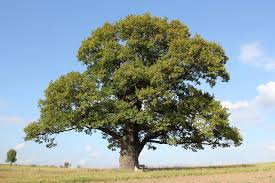
Once upon a time, in a small village nestled among rolling hills, there stood an ancient oak tree. Its gnarled branches reached toward the sky, and its leaves whispered secrets to the wind. The villagers believed that the tree held the memories of generations past, and they often gathered beneath its shade to share stories.

Every year, on Father’s Day, families would come to the old oak tree. They brought picnic baskets filled with sandwiches, fruit, and homemade cookies. Children played tag around its trunk, their laughter echoing through the meadow. Fathers sat on the grass, their faces weathered but kind, reminiscing about their own fathers and grandfathers.

One Father’s Day, a young boy named Liam sat cross-legged at the base of the oak tree. His father, Thomas, sat beside him, a twinkle in his eye. Thomas had always been a man of few words, but his love for Liam was evident in the way he tousled his son’s hair and smiled.

“Liam,” Thomas said, “do you know why we come here every year?”

Liam shook his head, curious.

“This tree,” Thomas began, tapping the rough bark, “has seen countless Father’s Days. It has witnessed joy and sorrow, laughter and tears. And it remembers.”

Liam frowned. “Remembers what, Dad?”

“Stories,” Thomas replied. “Stories of fathers who taught their children to ride bicycles, stories of bedtime tales whispered in the dark, stories of sacrifices made for love.”

Liam leaned against the tree, closing his eyes. He imagined the generations before him—strong men with calloused hands, gentle souls who held their children close. He wondered about the stories they’d shared, the lessons passed down like heirlooms.

“Tell me a story, Dad,” Liam said.

Thomas chuckled. “All right. Once, when I was your age, my father brought me here. He told me about the time he climbed this very tree to rescue a stranded kitten. He said it was the bravest thing he’d ever done.”

Liam’s eyes widened. “Did you climb it too?”

Thomas nodded. “I did. And you know what? That kitten grew up to be the best mouser in the village.”

They laughed together, the sound blending with the rustle of leaves. Liam felt a connection—a thread that tied him to his father, his grandfather, and all the fathers who had come before.

As the sun dipped below the horizon, casting a warm glow on the meadow, Liam whispered to the old oak tree, “Thank you for remembering.”

And the tree seemed to nod, its branches swaying gently.


And so, in that quiet village, Father’s Day became more than just a date on the calendar. It became a celebration of love, memories, and the timeless bond between fathers and their children.

Happy Father’s Day to all the dads out there! 🌳

A Healing Journey

I’m truly sorry to hear that you’ve experienced trauma. Healing from such events can be challenging, but there are steps you can take to support your recovery. Here are some strategies:

  1. Accept Support: Acknowledge that healing involves accepting help and support. Whether it’s from friends, family, or professionals, having a support system is crucial.
  2. Physical Movement: Engage in physical activities like exercise, yoga, or outdoor pursuits. Movement can help regulate your nervous system and promote healing.
  3. Self-Care: Prioritize self-care. Maintain routines for meals, exercise, and sleep. Taking care of your physical well-being contributes to emotional healing.
  4. Mindfulness and Meditation: Practice mindfulness or meditation to manage stress and promote emotional balance.
  5. Engage in Creativity: Express yourself through creative activities. Writing, art, or music can be therapeutic and help process emotions.

Remember that healing is a journey, and it’s okay to seek professional help if needed. You’re not alone, and with time and support, you can move toward recovery. 🌟 If you’re struggling, consider reaching out to a mental health professional or a helpline for guidance.

From Darkness to Light: Overcoming a Near Death Experience

From darkness to light: a short story of overcoming a near death experience

In the heart of the city, where the lights never dimmed and the noise never ceased, there lived a man named Theo. His life was a constant rush, a blur of meetings and deadlines. Until one fateful evening, when a sudden accident brought his world to a screeching halt.

Theo found himself in a hospital bed, surrounded by beeping machines and sterile white walls. The doctors spoke in hushed tones, their words a mix of hope and caution. Theo, trapped in the limbo between life and death, could only listen.

Days turned into nights, and Theo’s mind wandered the shadowy corridors of his thoughts. He revisited old memories, relived lost moments, and faced the regrets he had buried deep within. It was in this darkness that Theo encountered his own vulnerability, his mortality staring back at him with unblinking eyes.

But it was also in this darkness that a spark ignited. A desire to live, to experience the world in all its hues, began to grow. Theo realized that life was not just about the rush but about the moments that take your breath away, the quiet joys, and the love that binds us all.

With each passing day, Theo’s body healed, and so did his spirit. He made promises to himself – to slow down, to cherish, to connect. And when he finally stepped out of the hospital, it was not just into the light of the sun but into the light of a new beginning.

Theo’s near-death experience became a catalyst for transformation. He volunteered, he traveled, he loved. And in every person he met, he saw reflections of his own journey from darkness to light.

Theo’s story spread, touching hearts and inspiring souls. It served as a reminder that sometimes, it takes facing our end to truly begin living. And that even in our darkest moments, there is always a path to the light. 

BEGIN YOUR Journal Journey Part 2

Sounds good, but are you unsure of how to start? Here are six quick tips.

1. Begin with the date.

Dating your entries gives you a chronological timeline as well as allows you to note the space between journal entries. You can also begin to track cycles, patterns and trends in your writing. People who journal often describe the rhythm and flow of handwriting with words such as calming, soothing and focusing. They report that insight and solutions are more reliably accessed; clients remark that answers bubble up and spill onto the paper when they write by hand.

2. Start small.

Set your timer for five minutes and start with what you already know or can easily remember. Sentence stems such as Today I want to…. or I’m thinking about…. or Three things I want off my to-do list are…. are all great starting points.

3. Ask yourself a question.

How do I feel? What do I need? What’s my next action step? Questions tend to take us deeper, often into reflective or more emotional territory, contrasted to the narrative or more cognitive focus of sentence stems.

4. Don’t plan to write every day.

Aside from your own personal preference, there’s no particular advantage to daily writing. Even writing once or twice a week is sufficient to develop a journaling habit, and you’ll likely benefit from a more relaxed approach.

5. Protect your privacy.

Think through where you’ll keep your journal so that it’s out of sight and out of mind for curious housemates. I reserve the first two or three pages of every new journal for privacy protection. On the first page, I write the starting date and a note: This is my personal journal. Please don’t read it without my permission. Thank you for respecting my privacy. On the second page I write, As I was saying…. Please don’t read! Under this, I draw a large stop sign. Note that this will not deter anyone who is intent on reading your journal, but a healthy boundary often gives an impulsive reader enough time to close the book.

6. Don’t fret about your handwriting.

If your writing is illegible, that’s a great privacy protector! No one is grading or judging you.

Begin YOUR Journal Journey Part 1

Not everyone is willing to try writing as a primary or supplementary approach to problem-solving. Those who are—even when they are skeptical at first—almost always find writing to be a powerful and surprisingly accessible means to insight, healing, growth and change.

There are many reasons to journal other than emotional healing. Here are five benefits to expressing yourself on paper.

1. Writing by hand can make learning easier.

Neuroscientists are strongly opposed to the decline in teaching penmanship, or cursive writing, in public schools, “When we write, a unique neural circuit is automatically activated,” said Stanislas Dehaene, a psychologist at the Collège de France in Paris. “There is a core recognition of the gesture in the written word, a sort of recognition by mental simulation in your brain. And it seems that this circuit is contributing in unique ways we didn’t realize. Learning is made easier.”

2. Writing by hand can improve memory.

A research study comparing college students who took notes on laptops and those who took notes by hand found that students remembered lectures better with handwritten notes. It seems digital note-takers tend to transcribe a lecture rather than assimilate it. Manual note-taking requires discernment about ranking information according to its relative importance, allowing the hand-writers to remember core learning more readily.

3. Writing in a journal, by hand, helps you achieve the maximum benefit of journaling.

My anecdotal research as a journal therapist suggests that clients who write by hand are much more likely to have positive attachment to their journals and sustain the practice longer than those who write digitally. The handwritten journal, which is portable and accessible, is what therapists call a “constant presence.” It’s deemed by clients to be a more intimate, personal and relatable experience than writing on a phone app or computer; thus, the results tend to last longer and embed more deeply.

4. Writing by hand can have similar benefits to meditation.

In an article called “The Simple Joy of Writing by Hand,” Barbara Bash writes, “It is something about the physical act—the holding of the hand and pen—that is meditative, bringing me into the present.”

5. Writing by hand can help enhance creative expression.

According to British novelist Jon McGregor, “Pen and paper is always [at] hand. Writing on the page stays on the page, with its scribbles and rewrites and long arrows suggesting a sentence or paragraph be moved and can be looked over and reconsidered. Writing on the screen is far more ephemeral. A sentence deleted can’t be reconsidered.” For decades, my own journals have been incubators for creative projects. Each time I start a new book, workshop or business expansion I use my journal to work out questions, obstacles, details, procedural notes and deadline management. I also benefit from the safe container for my own self-doubts, uncertainties, frustrations and other feelings that are part of the creative process.

Positive Mental Health

Positive mental health is a combination of feeling good and functioning well. It can include:

  • Emotional healthFeeling positive emotions like happiness, joy, pride, satisfaction, and love, and being optimistic about life events
  • Physical healthFeeling physically healthy and getting enough sleep
  • Social healthHaving fulfilling relationships with others, and feeling good about yourself
  • LifestyleBalancing school/work, play/leisure, and rest/sleep activities, and participating in life to the fullest 

Some habits that can help promote positive mental health include:

  • Journaling: Can help clarify thoughts, regulate emotions, and identify negative thoughts
  • Mindfulness: Can help you become more aware of your thoughts and feelings so that you can better manage them
  • Exercise: Getting regular exercise can benefit your overall wellbeing
  • Diet: Eating a balanced diet can benefit your overall wellbeing
  • Socializing: Spending time with friends and family can benefit your overall wellbeing

Blog at WordPress.com.

Up ↑