

Embracing Uniqueness in the Mist of Metlakatla
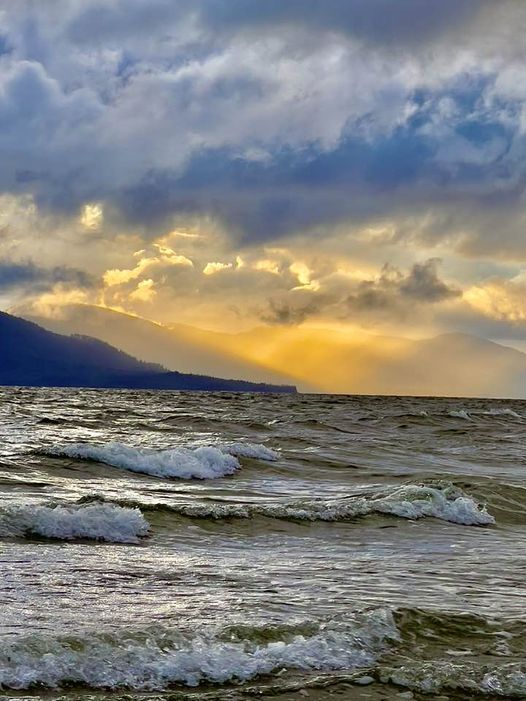
In the heart of Metlakatla, where the mist clings to ancient cedar trees and the whispers of legends echo through the fjords, there lived a young girl named Kaya. She was different—her eyes held the colors of the midnight sky, and her laughter danced like the northern lights.
Kaya’s uniqueness set her apart from the other children in the village. While they played hide-and-seek among the totem poles, she wandered along the rocky shore, collecting seashells and listening to the secrets carried by the waves. Her grandmother, Tala, recognized this difference and encouraged it.
“Kaya,” Tala would say, “our people have always been the keepers of stories. We weave them into our blankets, carve them into our canoes, and sing them under the moon. Your difference is a gift—a bridge between our past and our future.”
But Kaya didn’t always feel like a bridge. At school, her classmates teased her for her quiet nature and her fascination with the old legends. They called her “Sky-Eyes” and laughed when she spoke of the Raven Clan and the spirit bears. Kaya longed to fit in, to be like the others—to blend seamlessly into the fabric of the community.
One day, during the annual Salmon Festival, Kaya watched as her peers danced in a circle, their laughter rising like smoke from a cedar fire. She stood on the outskirts, feeling like an outsider. The rhythm of the drums pulsed through her veins, urging her to join, but doubt held her back.
That’s when she noticed an old man sitting on a driftwood log. His eyes crinkled at the corners, and his hands bore the scars of countless fishing seasons. Kaya approached him, drawn by the wisdom etched into his weathered face.
“Are you not dancing, child?” he asked, his voice as gentle as the breeze.
Kaya hesitated. “I don’t belong,” she confessed. “I’m different.”
The old man chuckled. “Different? Ah, that’s a word for storytellers. You see, Kaya, the salmon don’t all swim the same way. Some leap waterfalls, while others find hidden coves. But they all return to their roots—their spawning grounds. You, my dear, are like a salmon with sky-colored scales. Embrace your journey.”
His words stayed with Kaya. She began to write down the legends she heard from Tala—the tale of the Thunderbird and the Whale, the song of the cedar flute, and the flight of the first raven. She painted these stories on canvas, capturing the magic of her heritage.
Soon, the village noticed. Kaya’s art adorned the community center, and people gathered to listen as she recited the old tales. She wasn’t just different; she was a bridge—a storyteller who wove threads of memory into the fabric of the present.
And so, Kaya danced. Not in circles, but along the shore, her feet sinking into the sand. She swirled like the aurora borealis, celebrating her uniqueness. The other children joined her, their laughter blending with the rhythm of the waves.
Kaya learned that fitting in wasn’t about becoming like everyone else; it was about finding her place within the grand tapestry of Metlakatla. She realized that being different was not a flaw—it was her superpower.
And as the seasons turned, Kaya’s eyes continued to hold the colors of the midnight sky, reflecting the stories of her ancestors. She knew then that she was not just okay; she was extraordinary.
And so, in the heart of Metlakatla, where the mist clings to ancient cedar trees, Kaya danced—her laughter echoing through time, a bridge between worlds.
 Notes from Alex