Passing the Torch: A Story of New Pioneers

Passing the Torch: A Story of New Pioneers

Embracing Legacy, Forging the Future

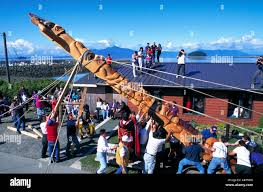
In the heart of the Tsimshian land, where the ancient forests whisper tales of old, a new generation rises. They are the children of the earth, the sky, and the sea, born with the spirit of their ancestors and the vision of the future. This is the story of how the torch was passed to them, a generation made for more.

Elders gathered in the great longhouse, their faces etched with the wisdom of countless seasons. They spoke of the past, of the struggles and triumphs that shaped their people. But their eyes shone with hope as they looked upon the young faces before them. These were not just children; they were leaders, pioneers, and dreamers.

“Today, we pass the torch,” said Chief Haida, his voice resonating with pride. “You are the generation who will carry our legacy forward. You are not afraid to take steps into the unknown, to carve new paths where none exist. You are the new pioneers.”

The young ones listened, their hearts swelling with purpose. They knew who they were and who they were in the Creator. They understood that their identity was rooted in the sacred traditions of their people, yet their destiny was to forge a new path.

Among them was Aiyana, a girl with eyes as deep as the ocean and a spirit as fierce as the eagle. She stood tall, her heart beating with the rhythm of the drum. “We are not just here to tend the graves of our ancestors,” she said, her voice clear and strong. “We are here to live lives worth living, to share and care for one another, to build a future that honors our past but is not bound by it.”

The elders nodded, their hearts warmed by her words. They saw in her and her peers the embodiment of their hopes and dreams. This generation was indeed made for more. They were ready to lead, to innovate, and to inspire.

As the torch was passed, the flames danced with a new vigor, illuminating the path ahead. The young leaders took their first steps forward, unafraid and united. They were the generation of new pioneers, and their journey had just begun.

David A. Boxley: The Heartbeat of Tsimshian Heritage

Carving Stories, Singing Traditions, and Building Community

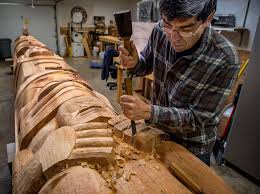
In the heart of Metlakatla, Alaska, lived a man named David A. Boxley, a master carver and a beacon of Tsimshian culture. David’s journey began with a deep connection to his ancestors, whose stories and traditions he cherished and sought to revive.

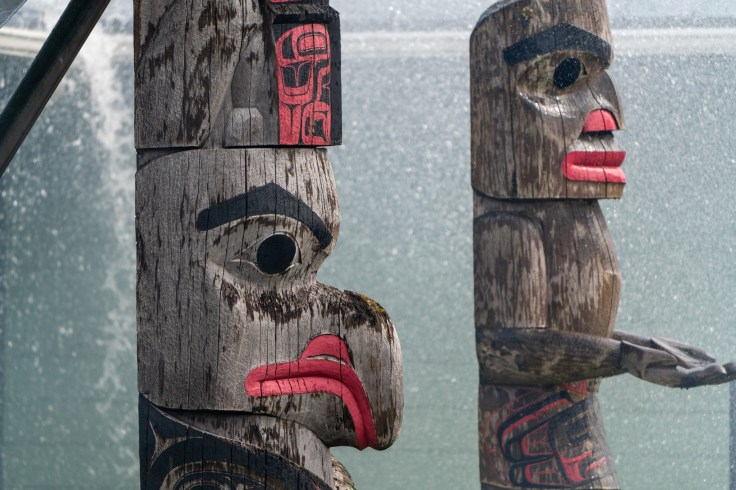
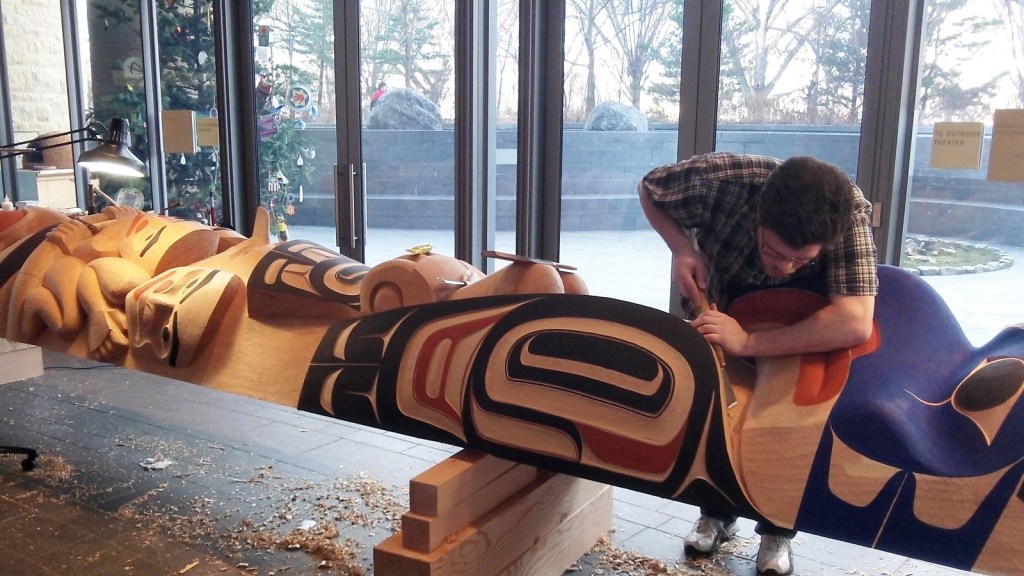
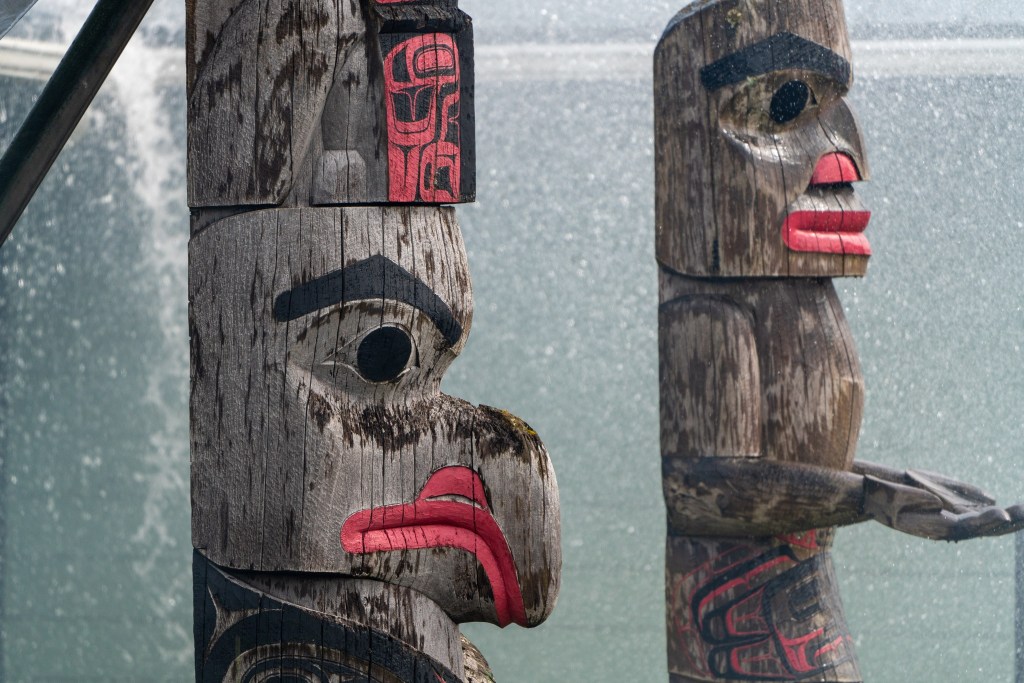
David’s hands were skilled, and his heart was full of passion for his craft. He carved magnificent totem poles, each one telling a unique story of the Tsimshian people. His totem poles were not just art; they were a bridge to the past, a way to keep the culture alive. One of his most notable works was a 30-foot Raven story totem pole, which stood proudly at the Canadian Pavilion in Walt Disney World1. This totem pole, along with others he created, became symbols of pride and resilience for his community.

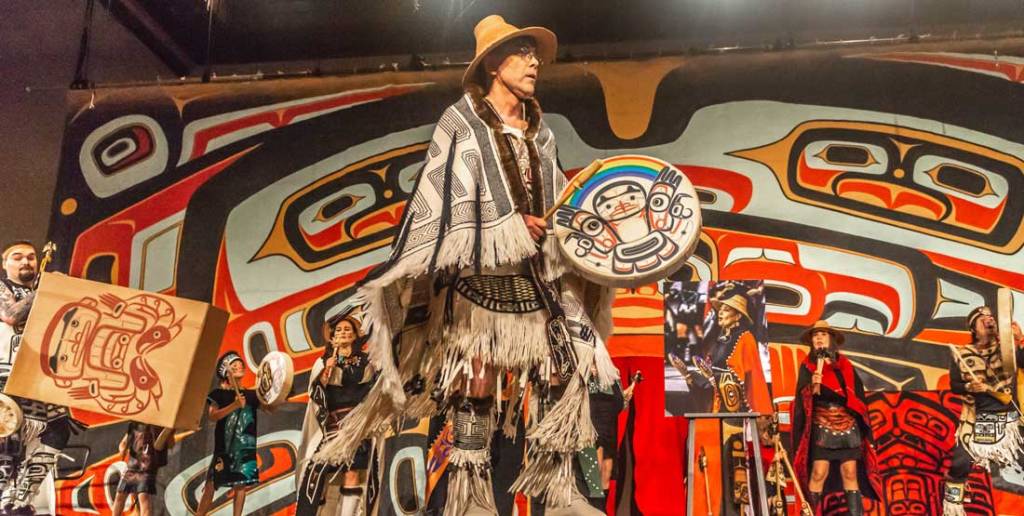
But David’s talents didn’t stop at carving. He was also a gifted musician and songwriter. He formed the Git Hoan Dancers, a group dedicated to performing traditional Tsimshian songs and dances. Through their performances, David and the Git Hoan Dancers shared the legends and stories of their people, educating and entertaining audiences around the world1.

David’s love for his community was evident in everything he did. He taught carving and language classes, ensuring that the younger generations could carry on the traditions of their ancestors. He was particularly passionate about preserving the Tsimshian language, Sm’algyax, which was on the verge of extinction. David’s efforts to revive the language included hosting classes in Metlakatla and other Alaskan communities1.

One of David’s most touching projects was the Cindy James Memorial Totem Pole, created in honor of his late sister-in-law. This totem pole, placed at Northwest Hospital, served as a symbol of hope and healing for patients and their families1.

David A. Boxley’s legacy is one of dedication, artistry, and love for his community. Through his totem poles, songs, and tireless efforts to preserve Tsimshian culture, he ensured that the spirit of his people would live on for generations to come.


The Potlatch of 1982 holds a special place in the history of the Tsimshian people, particularly for David A. Boxley. This event marked a significant revival of traditional practices and cultural pride.

In 1982, David Boxley hosted a potlatch in Metlakatla, Alaska, which was a monumental occasion for the Tsimshian community. This potlatch was not only a celebration but also a powerful statement of cultural resilience and renewal. It was during this event that David was given the Sm’algyax name “Ksgooga Yaawk,” which means “First to Potlatch”1. This name was a recognition of his efforts to revive and sustain Tsimshian traditions.

The potlatch featured traditional songs, dances, and the sharing of stories, all of which played a crucial role in preserving the Tsimshian heritage. It was a time for the community to come together, honor their ancestors, and pass down their cultural knowledge to the younger generations. The event also showcased David’s incredible totem poles and carvings, which served as visual representations of the stories and values of the Tsimshian people.

This potlatch was a turning point for David and his community, reinforcing their commitment to cultural preservation and education. It inspired many to continue the work of keeping their traditions alive, ensuring that the rich heritage of the Tsimshian people would endure for future generations.

The Totem of Pride: Tyee’s Journey

A Young Boy’s Quest to Honor His Heritage and Inspire His Community

In the heart of Metlakatla, a small village nestled on Annette Island, lived a young boy named Tyee. Tyee was known for his curiosity and love for the stories of his ancestors. He would often sit by the fire, listening intently as the elders shared tales of bravery, wisdom, and the deep connection between their people and the land.

One day, Tyee’s grandfather, Chief K’eyush, called him over. “Tyee,” he said, “our community needs a new totem pole to honor our heritage and guide our future. I believe you are ready to carve it.”

Tyee’s eyes widened with both excitement and fear. “But Grandfather, I have never carved a totem pole before. What if I make a mistake?”

Chief K’eyush placed a reassuring hand on Tyee’s shoulder. “You have the heart and spirit of our ancestors within you. Trust yourself, and remember, I am here to guide you.”

With determination, Tyee began his work. Each day, he would carve a little more, drawing inspiration from the stories he had heard. He carved the eagle to symbolize strength, the bear for courage, and the salmon for perseverance. The work was challenging, and there were moments when Tyee doubted himself. But each time, he remembered his grandfather’s words and pressed on.

Months passed, and the totem pole neared completion. The entire village gathered for the unveiling ceremony. As the cloth was lifted, revealing Tyee’s masterpiece, a hush fell over the crowd. The totem pole stood tall and proud, a testament to the rich heritage of their people.

Chief K’eyush stepped forward, his eyes glistening with pride. “Tyee, you have done more than carve a totem pole. You have woven our stories into wood, creating a legacy for future generations. I am proud of you.”

Tyee felt a warmth spread through his chest. He realized that the journey had not just been about carving a totem pole, but about discovering his own strength and the power of his heritage. With a smile, he looked at his grandfather and said, “Thank you, Grandfather. I am proud to be a part of our community.”

Blog at WordPress.com.

Up ↑