Healing the Wounds of Prejudice: A Journey Towards Forgiveness

Can We Forgive? A Journey of Healing and Understanding

In the heart of a First Nations community, the legacy of prejudice and discrimination has left deep scars. The suffering created by these injustices is difficult to quantify, but it permeates every aspect of life. From the historical traumas of the Trail of Tears to contemporary issues like employment discrimination and racial violence, the impact is profound and enduring.

One story that echoes through the ages is that of a young woman named Aiyana. Growing up, Aiyana witnessed the pain and struggles of her people. She saw how prejudice and discrimination affected their ability to lead healthy lives, undermining their physical and mental health, and making them vulnerable to various forms of abuse and inequality.

Aiyana herself faced prejudice in many forms. She encountered racism that made her feel invisible and less valued. She experienced the emotional violence of being judged and dismissed based on stereotypes. These experiences left her feeling isolated and hurt, struggling to find her place in a world that seemed hostile to her very existence.

However, Aiyana’s journey was not just one of suffering; it was also one of profound healing and transformation. Inspired by the strength and resilience of her ancestors, she embarked on a path to reclaim her heritage and find peace within herself. She understood that to heal, she had to confront the prejudice she faced head-on, and also address any prejudices she might unknowingly harbor.

Aiyana sought the guidance of a culturally competent therapist, someone who understood the unique challenges faced by First Nations peoples. Through therapy, she learned to articulate her pain and process the traumas she had endured. She developed coping skills that allowed her to navigate a world still rife with prejudice, and most importantly, she discovered the power of forgiveness.

Forgiveness, Aiyana learned, was not about condoning the injustices inflicted upon her and her people. It was about freeing herself from the heavy burden of anger and resentment that weighed her down. By forgiving, she could reclaim her power and begin to heal. This journey of forgiveness was deeply intertwined with her cultural practices and the teachings of her ancestors.

As she embraced forgiveness, Aiyana also found a new sense of purpose. She became an advocate for greater understanding and meaningful relationships between diverse communities. She educated others about the intersecting oppressions that many face, showing how sexism, racism, and other forms of discrimination are interconnected. Through her efforts, she inspired others to recognize their own prejudices and work towards change.

Aiyana’s story is a testament to the resilience of the human spirit and the power of healing through forgiveness. It reminds us that while prejudice can cause deep wounds, it is possible to overcome the hurt and pain it brings. By confronting prejudice with courage and compassion, we can pave the way for a more just and inclusive world.

Her journey serves as a beacon of hope, encouraging us to look within ourselves and our communities to find the strength to heal. Through greater understanding and empathy, we can honor the legacy of those who suffered before us and create a future where all people are valued and respected.

Rediscovering My Roots: A Tsimpsean Journey

“Rediscovering Heritage: A Journey of Tsimpsean Pride and Culture”

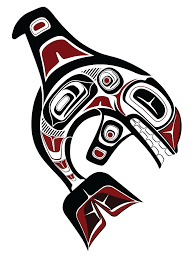
My name is Alex Atkinson Jr., and I am proud to be a member of the Tsimpsean people, with the Killer Whale as my crest. My journey of discovering our rich heritage and roots has been both a deeply personal and communal experience, filled with moments that have shaped my understanding of who I am and where I come from.

Growing up in Metlakatla, Alaska, I was surrounded by the stories and traditions of our people, yet there was a gap that longed to be filled—the absence of our language in our schools. It wasn’t until I graduated that our language was reintroduced into the school system. I am profoundly thankful for this change, as it represents a new generation that is now learning and embracing our culture, stories, songs, and dances. This revival is like a soothing balm for my soul, a connection to my ancestors that I had yearned for.

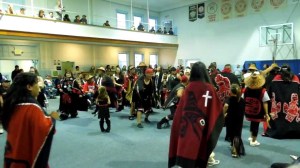
Whenever I attend a gathering and hear our traditional songs, or see the pride and joy on the faces of those singing and dancing, it stirs something indescribable within me. These moments often bring tears to my eyes—tears of pride, joy, and a heartfelt recognition of our enduring spirit. It’s a sensation that words can hardly capture, a profound sense of belonging and heritage.

I vividly remember my grandparents speaking our language, their voices weaving the sounds of our ancestors into everyday conversation. As a child, I was always fascinated by this, and it planted a seed of curiosity and respect for our linguistic heritage. Today, I am determined to learn our language, to honor those who came before us, and to ensure that this vital part of our identity is preserved and passed down.

The songs, dances, and stories of our people are not just cultural artifacts; they are living expressions of our history and values. They teach us about resilience, community, and the natural world. By embracing these traditions, I feel connected to my roots and empowered to walk in the footsteps of my ancestors, honoring their legacy with every step.

It is my hope and mission to continue this journey of learning and sharing. I want to see our language flourish, to hear it spoken by young and old alike, and to witness the continued celebration of our culture through song and dance. This journey is not just mine; it is a collective effort to remember and honor the trails blazed by those who came before us.

In doing so, we ensure that the wisdom and beauty of the Tsimpsean people endure for generations to come. It is an honor to be part of this community, and I am committed to upholding the values and traditions that define us. My journey of discovery is a testament to the strength of our heritage and the unbreakable bonds that connect us all.

A Warrior’s Journey: Forgiveness and Healing

The Path to Healing: A Native American Soldier’s Story of Forgiveness

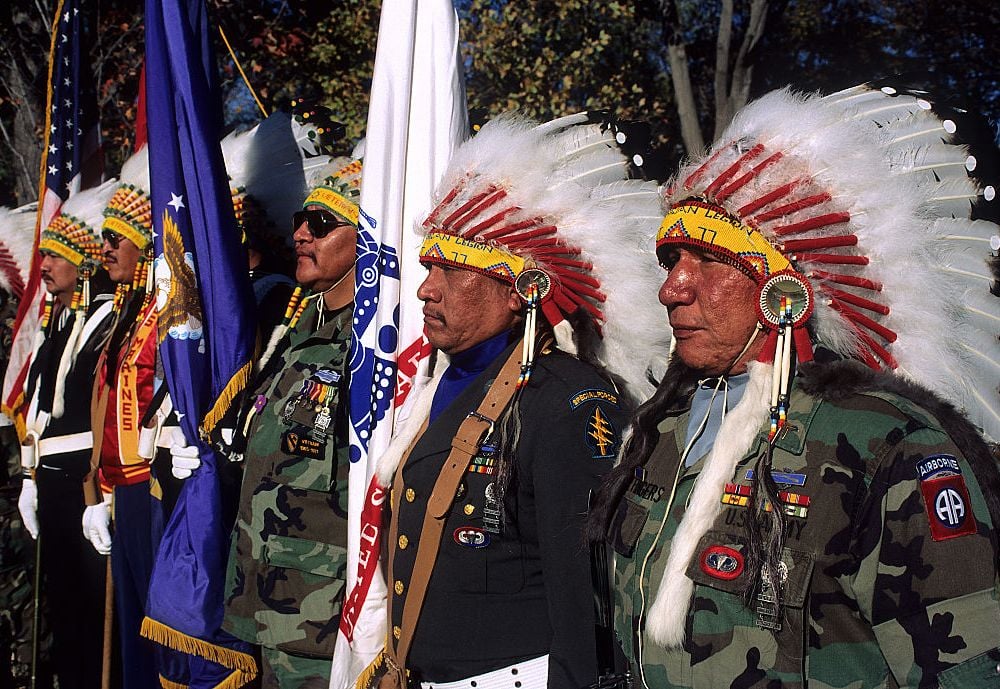
In a small, resilient community, there lived a Native American soldier named Ahanu, whose name means “He Laughs.” Despite the challenges he had faced, Ahanu carried himself with a light-hearted spirit and an unwavering commitment to his people. He had witnessed and experienced the profound harms inflicted upon First Nations People—attitudes of superiority, emotional and spiritual violence, and the destructive forces of racism and discrimination.

Ahanu’s journey was marked by these struggles, yet his path was also a testament to the strength and resilience of his heritage. Growing up, he heard countless stories from his elders about the ways of their ancestors, who lived in harmony with the land and each other before the settlers arrived. These stories were a source of pride and a reminder of the community’s enduring spirit.

As a soldier, Ahanu served his country with honor, but the battlefield was not only external. He grappled with the internal battles of anger, pain, and the desire for retribution. The weight of historical injustices and personal wounds threatened to consume him, making it difficult to find peace.

During a particularly challenging time in his service, Ahanu found himself in a remote location, far from the comforts of home and family. It was there, in the solitude of the wilderness, that he began to reflect deeply on his journey. The silence of the natural world provided a stark contrast to the turmoil within his soul.

One evening, as Ahanu sat by a small fire, he remembered the teachings of his ancestors. He recalled the wisdom of his elders, who spoke of the Creator’s will for their lives—one that did not align with the violence and hatred they had endured. The elders spoke of the importance of returning to their roots, of healing through forgiveness and reconnecting with their true selves.

In that moment, Ahanu made a decision. He chose to embark on a path of forgiveness, not as a means of forgetting the past but as a way to heal and move forward. He understood that forgiveness was not an act of weakness but a powerful declaration of strength and resilience.

Ahanu began to practice forgiveness in his daily life, starting with himself. He forgave himself for the anger and bitterness he had harbored. He then extended this forgiveness to those who had wronged him, both directly and indirectly. It was a difficult process, but with each step, he felt a weight lifting from his shoulders.

Upon returning to his community, Ahanu shared his journey with others. He spoke of the healing power of forgiveness, of reclaiming their heritage and returning to the ways of their ancestors. He emphasized the importance of living in accordance with the Creator’s will, promoting peace and understanding instead of perpetuating cycles of harm.

Ahanu’s message resonated deeply within the community. Inspired by his example, many began their own journeys of forgiveness and healing. The collective pain of the past was acknowledged, but it no longer defined their present or future. Instead, they chose to honor their ancestors by fostering an environment of compassion, respect, and unity.

Through Ahanu’s journey, the community rediscovered the profound truth that healing comes from within. By embracing forgiveness and reconnecting with their roots, they found a renewed sense of purpose and peace. Ahanu’s legacy was one of hope and resilience, a testament to the power of forgiveness and the enduring strength of the First Nations People.

I hope this story captures the essence of forgiveness and healing from an Indigenous perspective, highlighting the journey of a Native American soldier.

Blog at WordPress.com.

Up ↑