From England to Metlakatla: A Mission of Love and Learning
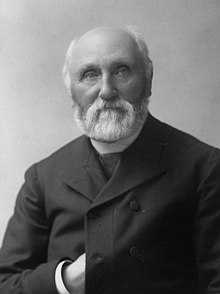
William Duncan was an English-born Anglican missionary who made a significant impact on the Tsimshian people of British Columbia and Alaska. Born on April 3, 1832, in Yorkshire, England, Duncan joined the Church Missionary Society (CMS) in 1854 and was sent to the North Pacific coast of Canada in 18561.
Upon his arrival at Fort Simpson (now Lax Kw’alaams) in 1857, Duncan immersed himself in the Tsimshian culture, learning their language and spiritual practices. He quickly gained the trust of the Tsimshian people by drawing connections between their beliefs and stories from the Bible2. Duncan’s dedication to the Tsimshian led him to establish a new Christian community called Metlakatla in 1862.
Metlakatla, meaning “New Town,” was founded as a utopian Christian community where Duncan aimed to protect his followers from the negative influences of the Hudson’s Bay Company fort atmosphere. The community grew rapidly, and by the end of the summer of 1862, several hundred Tsimshians had joined Duncan1. The village became known for its neat, white wooden structures, reflecting Duncan’s vision of a “civilized” Christian society.
Duncan’s influence extended beyond religious teachings; he taught the Tsimshian how to be self-governing, build, create, and sustain their community. His teachings were evident in the Victorian-style homes, office buildings, community buildings, and churches constructed from local wood1. Duncan’s respect for the Tsimshian culture and his efforts to learn their language and traditions earned him a lasting legacy in both Canada and Alaska.
William Duncan’s story is a testament to his dedication to the Tsimshian people and his desire to honor their culture while introducing them to Christianity. His impact on the community and the region continues to be remembered and celebrated to this day2.
Here is a Summary of William Duncan:
William Duncan was an English Anglican missionary who arrived in Canada to preach the gospel to the Tsimshian people. He fell in love with their culture and language, dedicating himself to learning and respecting their traditions. In 1862, he established a Christian community in Metlakatla, British Columbia. Duncan taught the Tsimshian self-governance, building techniques, and sustainable living, integrating Victorian influences into their structures. His approach was not to dominate but to honor the Tsimshian heritage. His legacy extends to Alaska, where his work is remembered for significantly impacting the local culture and community.




 Notes from Alex