Unity in the Village: Why Love Still Matters in Small Town Life

“Choosing Unity Over Division in the Place We All Call Home”
By Alex Atkinson Jr.

I’ve lived in a small town most of my life. Metlakatla, Alaska, is home—and like many small towns across the country, we carry both the beauty and the burden of close-knit living. We know one another. We share history, hardship, and hope. But like any community, we also face our fair share of challenges.

Not all small towns are the same, of course—but many of us experience familiar themes. Tensions rise, misunderstandings brew, and sometimes, unfortunately, divisions set in. And to be honest, that’s the part of small-town life I find hardest to watch.

“We don’t have to believe the same to love the same.”

Division can come from anywhere—a disagreement, a difference in how we do things, or a clash of beliefs. Maybe we see the world through different lenses. Maybe our upbringings or faith journeys aren’t identical. But in the end, none of that should keep us from being united.

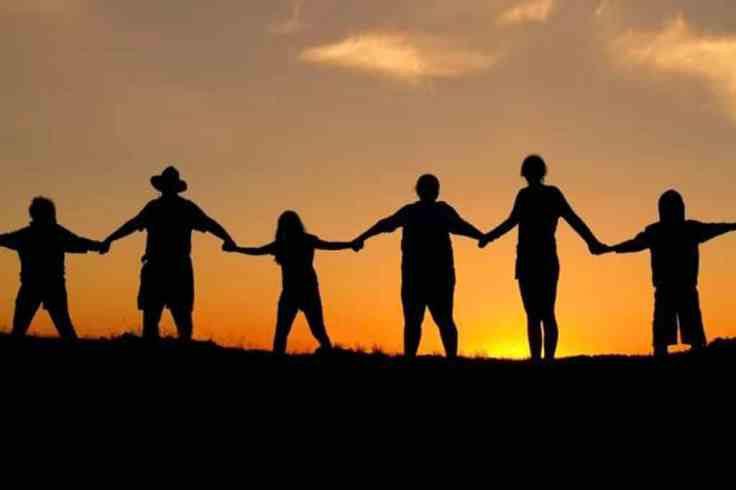
I’m not here to say we all have to agree on everything. That’s not unity—that’s uniformity. What I long to see is something deeper: honor and respect. Even when we do things differently. Even when we believe differently. A place where you can be you, and I can be me—and we still choose to love each other anyway.

No jealousy. No hidden agendas. Just a genuine attitude of care and kinship.

That’s what family is. That’s what community should be. Not perfect. Not always peaceful. But deeply rooted in love—the kind that ties us together in the storms, not just the celebrations.

In a time when the world feels more divided than ever, maybe our little town can stand out—not for how we argue, but for how we stay connected through it all. Love still matters here. And maybe if we choose it, again and again, we’ll help write a better story for the next generation watching us.

“The Blanket, The Dream, and the Song”

By Alex Atkinson Jr.

There are moments in life that are too exact, too timely, too profound to be coincidence. I want to share one of those moments with you—an experience that has stayed with me for years and still stirs something deep in my spirit.

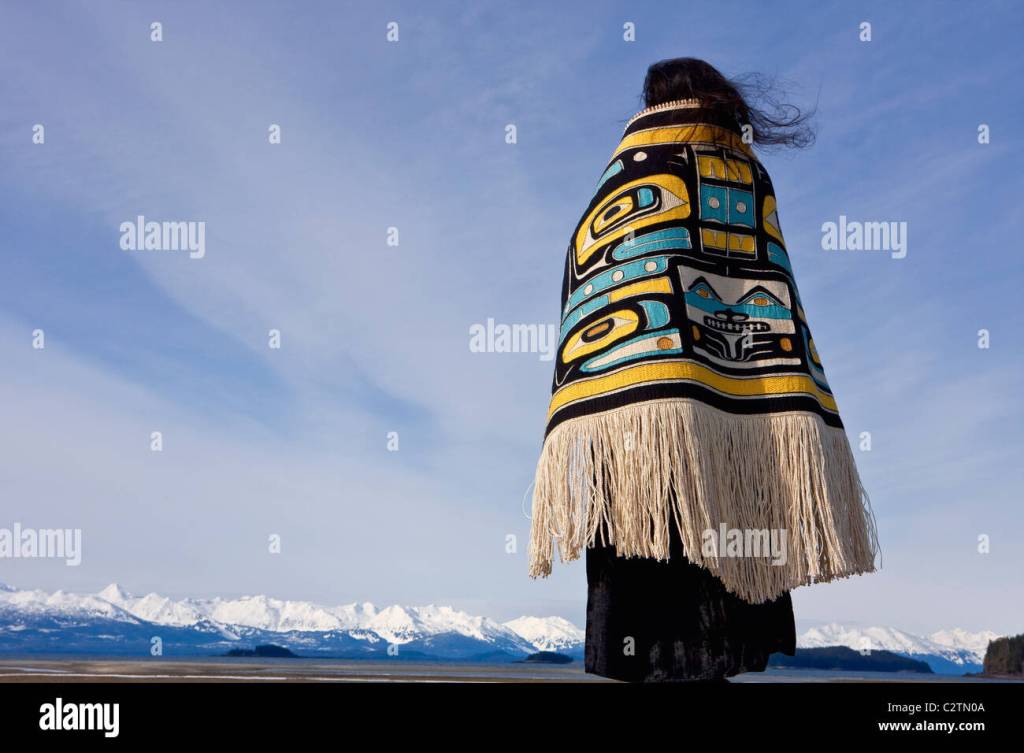
I was living in California at the time. One night, before our regular home group meeting, I had a vivid dream—so vivid it woke me up and lingered in my thoughts the next morning. In the dream, a man stood before our group, speaking. I couldn’t understand what he was saying, but I saw him clearly. He called me forward and “protocoled” me—something I wasn’t raised with or fully understood at the time. In the dream, he draped a large wool blanket over my shoulders, one with Native designs, vibrant and heavy with meaning. As he placed it on me, he spoke of how the Creator had called me to lead our people. Then, just like that, the dream faded.

I woke up thinking, What was that?

The next morning, I arrived at the house for our meeting. People were getting the coffee and donuts ready—everything smelled like breakfast and fellowship. As I walked in, I noticed a man behind the counter. I’d never met him before. But when our eyes met, we both froze for a second.

“I know you,” he said.

“I know you too,” I replied. “You were in my dream last night.”

We both laughed, a little startled, a little amazed. His name was Reesey. We sat down, and he began sharing about his journey—how he had been learning about Native American culture, about honor, land, music, and story. And just like in my dream, he stood up, spoke to the group, called me forward, and protocoled me. He reached into his bag, pulled out a Native American wool blanket, and draped it over my shoulders.

He spoke about the calling our Creator had placed on my life, calling forth things that had been buried, dormant—things that were waiting to awaken.

I was wrecked. In the best way. It was one of those moments you don’t forget, that marks you for life.

Then Reesey shared another story—one that shook me even more.

He told us about a group of First Nations people from the Pacific Northwest who had traveled with a woman named Linda Prince to British Columbia, and then all the way to Jerusalem. They sought permission to sing and honor the land and its leaders at the Western Wall. With permission granted, they approached the wall in full regalia, singing the songs of our people—the drum echoing through the holy site.

As they sang, the rabbis came out, visibly moved.

“Why are you singing the songs of our people?” they asked.

“These are the songs of our people,” the leaders replied. “Songs buried for generations. We believe now is the time to bring them back.”

The rabbis, stunned, responded, “You don’t understand. You’re singing in ancient high Hebrew. These are songs of worship given by the Creator.”

Let that sink in.

The rabbis told them: You might be the lost tribe of Israel.

How do you explain that?

You don’t. Not with logic, anyway. Only the Creator could orchestrate something so layered, mysterious, and beautiful.

That story has stayed with me just as much as my dream about Reesey. It awakened something in me—something ancestral, something holy, something deeply tied to identity, purpose, and land.

I believe these songs, these stories, these blankets of calling are rising again. And I believe our Creator is on the move.


“The songs of our people are being awakened again.”
—Alex Atkinson Jr.

Blog at WordPress.com.

Up ↑