The Poetry Found Above the Clouds
Notes by Alex
Before he ever stepped foot into flight school, before he touched a control yoke or studied a sectional chart, he already believed flying was magical.
To him, aviation was never simply mechanical. It was poetic.
There was something about watching an airplane rise into the sky that stirred his soul in a way words could barely explain. The sight of wings cutting through clouds, the sound of an engine echoing across the harbor, the graceful lift of an aircraft leaving the earth behind—it all seemed almost impossible, yet beautifully real. Especially in Southeast Alaska, where floatplanes danced between mountains, mist, and water, aviation felt less like transportation and more like art.
Long before he understood the science of flight, he fell in love with the feeling of it.
Then came flight school.
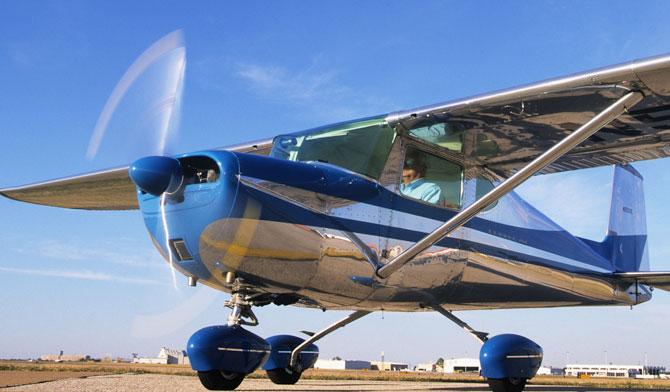
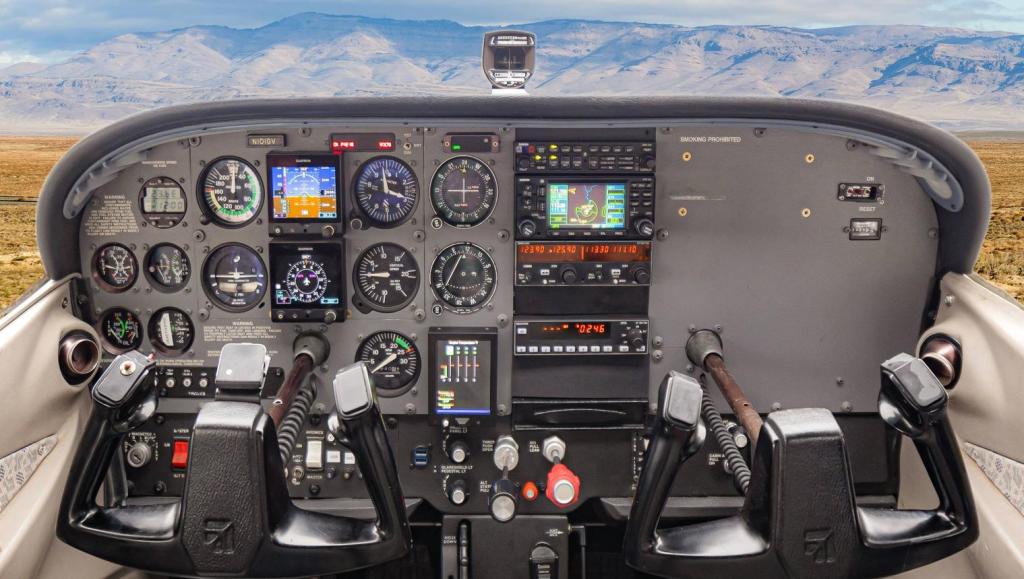
There, the romance of aviation met discipline, study, and long hours of learning. He began flying the dependable little Cessna 150 and the legendary Cessna 172, aircraft that introduced countless young pilots to the sky. Those airplanes became classrooms suspended above the earth. Every lesson brought new understanding. Every takeoff carried another piece of wonder with it.
He learned about aerodynamics, about how air moves over and under a wing to create lift. He learned about thrust, drag, weight, and balance. He studied weather, navigation, and emergency procedures. Aviation demanded precision and respect.
But strangely, learning the mechanics of flight never diminished the magic.
It deepened it.
The more he understood how an airplane actually flew, the more amazed he became that humanity had somehow learned to leave the ground at all.
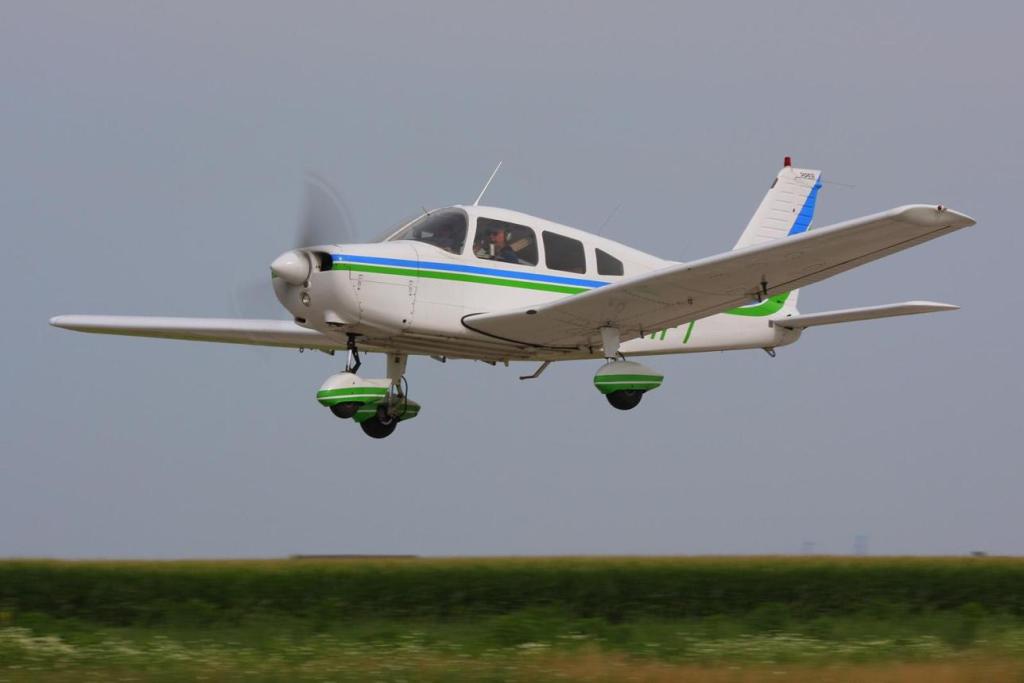
The Cessna 182 came next, introducing him to high-performance flying. More power, more speed, more responsibility. The aircraft felt stronger, bolder, and capable of carrying him farther into the horizon. Then came the transition into the low-wing Piper Warrior, where he began building the precious flight hours every young pilot chases. The Warrior taught him finesse and patience, helping shape him into a more confident aviator.
Soon afterward came the Piper Arrow, sleek and retractable, where he built his complex time and learned to manage more advanced systems. Each airplane carried its own personality, its own rhythm, its own lessons. Every cockpit became another chapter in his aviation story.
And then there was the Citabria.
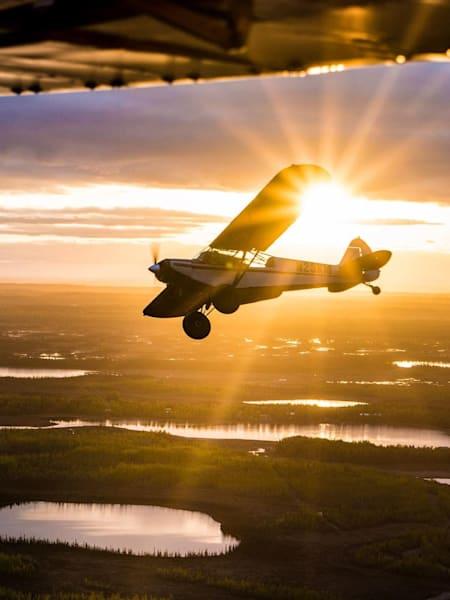
That airplane was pure joy.
The Citabria reminded him that flying did not always have to be serious. Sometimes it could simply be fun. Rolling, climbing, banking hard against the sky, feeling the freedom of aerobatic flight—it awakened the childlike wonder inside him all over again. In those moments upside down above the earth, aviation became laughter, adrenaline, and freedom wrapped together in one unforgettable experience.
But flight school and time-building were only the beginning.
Eventually, he graduated into the airplanes he had admired for years growing up in Alaska.
The mighty Cessna 185F.
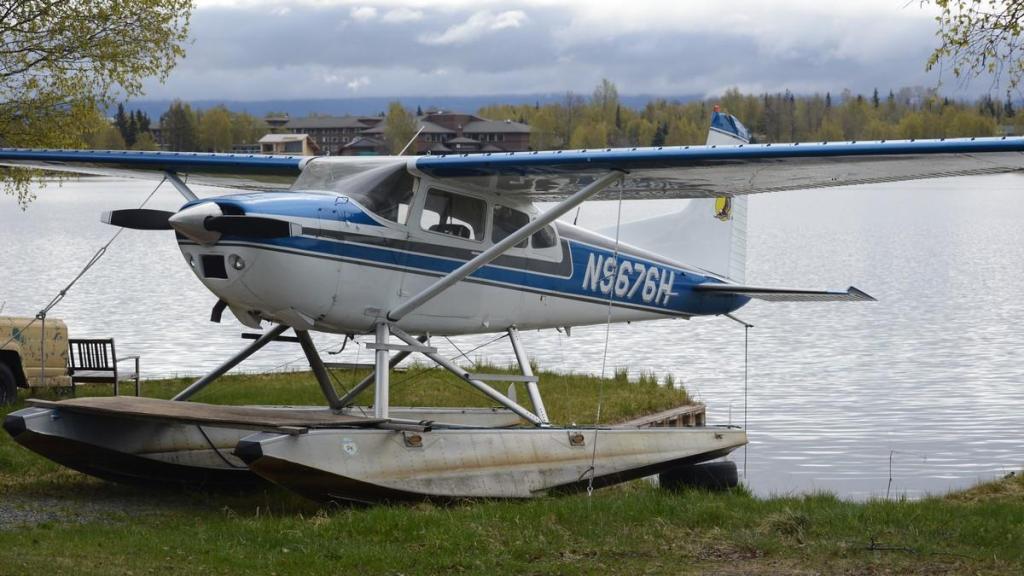
The legendary DeHavilland Beaver.
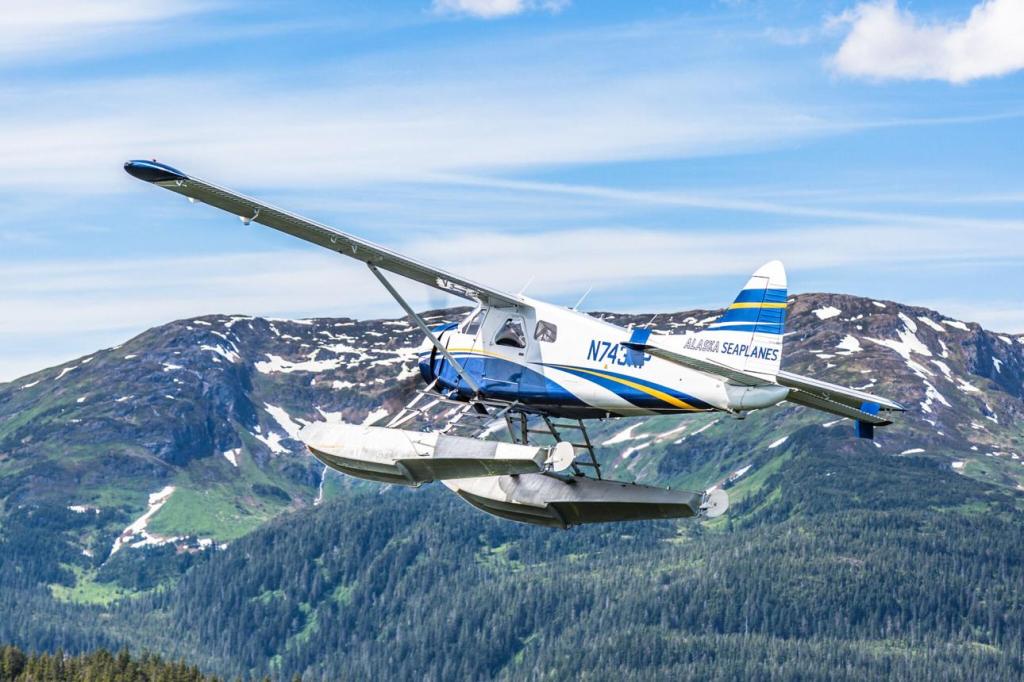
The rugged DeHavilland Otter.
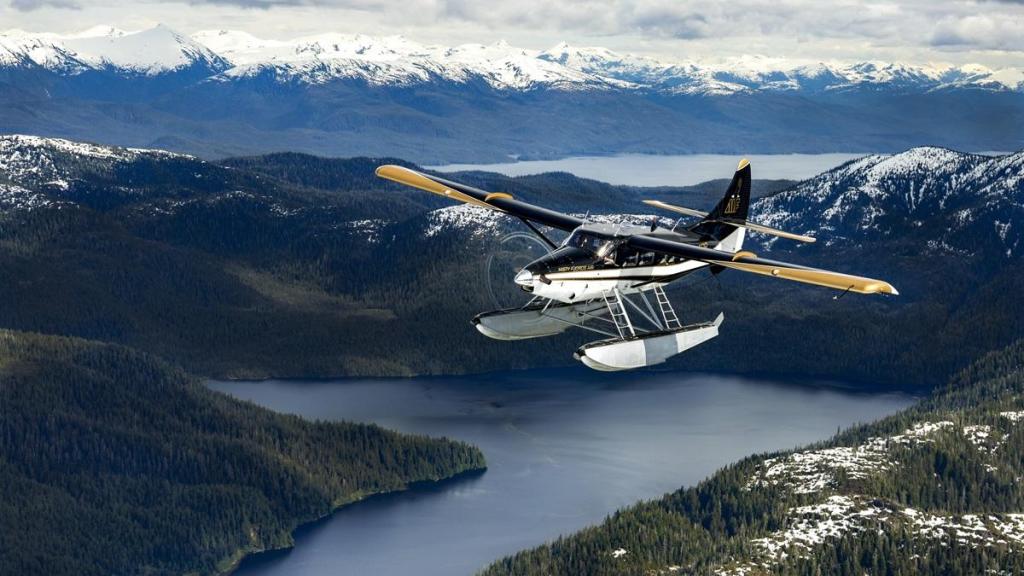
These were not just airplanes; they were icons of the North. Machines built for mountains, water, storms, and wilderness. Aircraft that carried fishermen, hunters, supplies, dreamers, and pilots into places where roads did not exist.
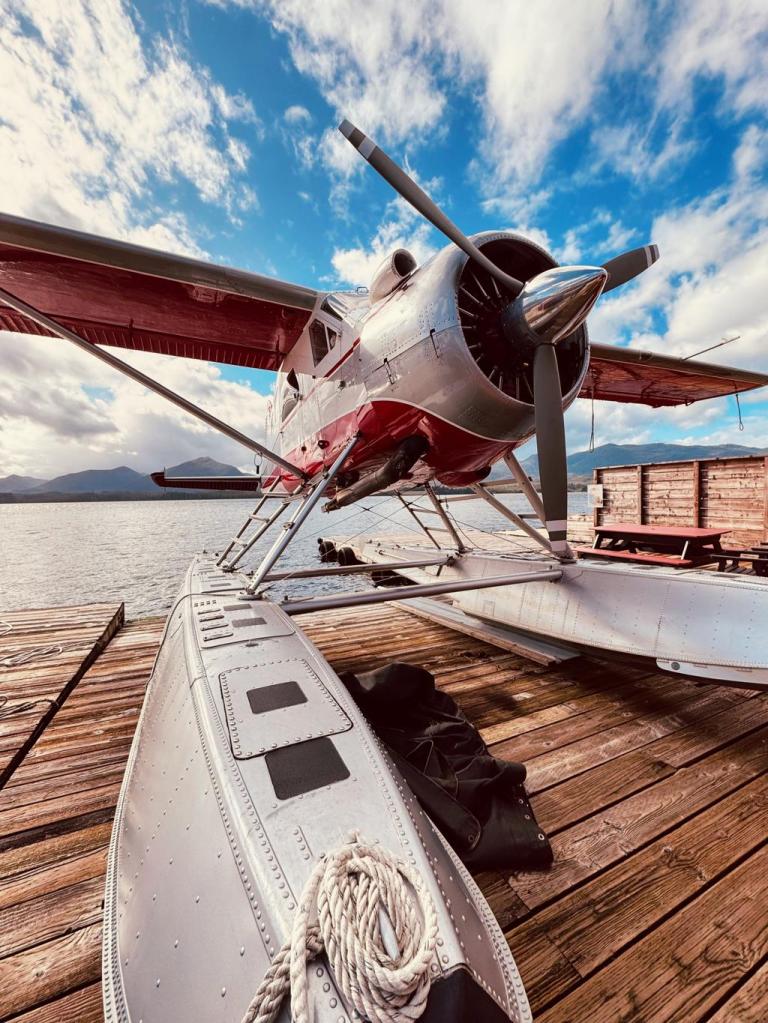
Flying them felt almost sacred.
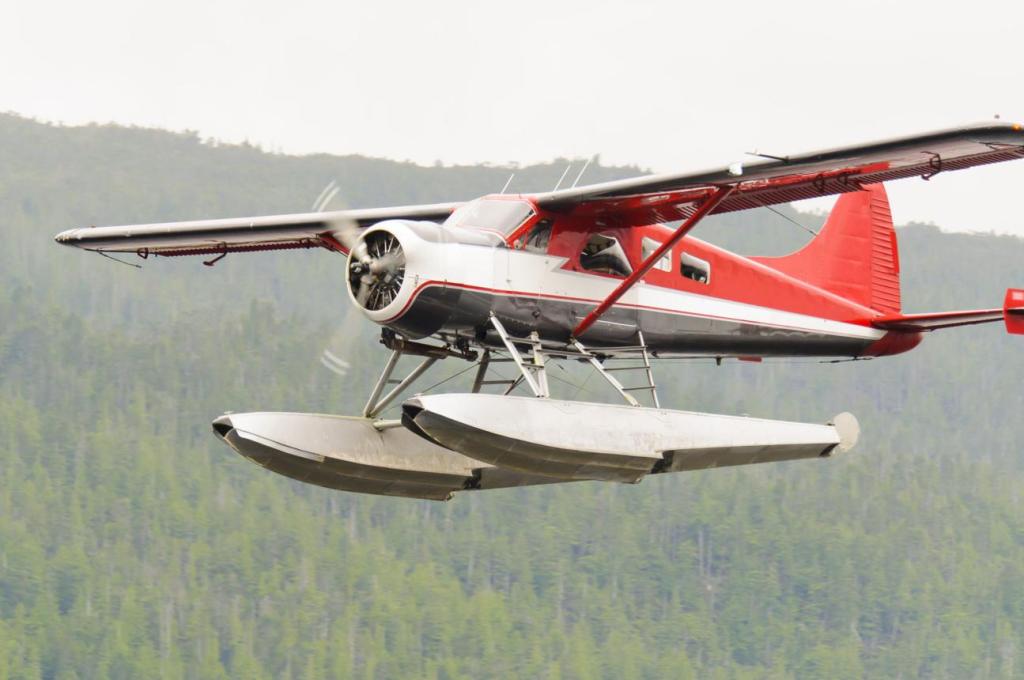
The roar of the radial engines, the smell of oil and avgas, the spray of water off the floats during takeoff—all of it became part of him. These airplanes were alive with history and purpose. They connected remote villages, coastal towns, and hidden wilderness across Alaska. And every flight through narrow fjords and over endless forests reminded him why he had fallen in love with aviation in the first place.
Years later, after thousands of hours and countless flights, the magic still remains.
He still watches airplanes take off with amazement. Still feels something stir inside him when an aircraft lifts into the sky. Still pauses to admire a smooth landing or the silhouette of wings against the evening sun.
Yes, he learned the mechanics.
He learned how lift is created.
He learned the science, the systems, the procedures, and the responsibility.
But the poetry of flight never disappeared.
Because for him, aviation was never only about airplanes.
It was about wonder.
About freedom.
About chasing horizons.
And somewhere deep inside his heart, the magic of flight will always remain part of who he is.


Leave a Reply