
“A Tale of Courage and Heritage”

In the heart of Metlakatla, where the whispers of ancient Tsimshian spirits mingled with the rustling of the cedar trees, a fierce spiritual battle raged on. Alexander, a guardian of his town and its rich heritage, stood resolute. His eyes, reflecting the strength of his ancestors, scanned the horizon as he prepared for the fight of his life.
The town had always been a sanctuary, a place where history and culture thrived. But now, dark forces threatened to erase its essence. Shadows crept through the streets, seeking to sow discord and despair among the people. Yet, Alexander, with his unwavering faith and deep connection to the land, was determined to protect his home.
As the sun dipped below the horizon, casting a golden glow over the waters, Alexander felt the presence of his ancestors. Their spirits, strong and resilient, surrounded him, lending their strength. He could hear their voices, a chorus of encouragement and wisdom, guiding him through the darkness.
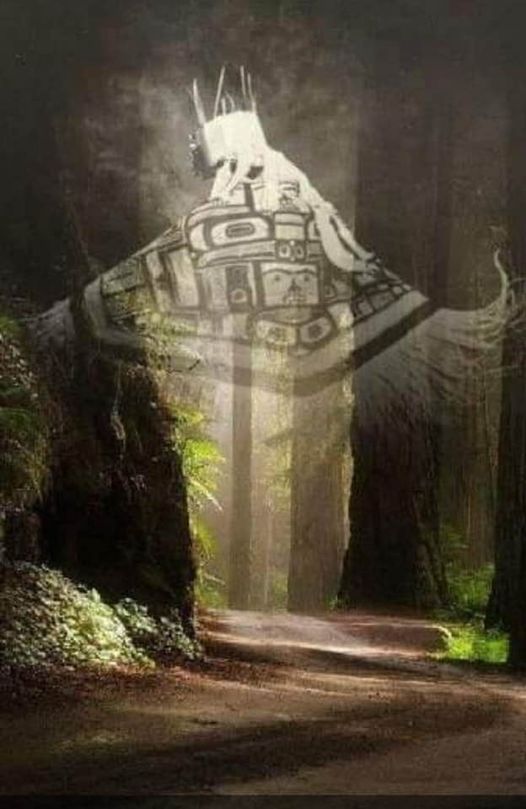
With a heart full of courage, Alexander raised his staff, its carvings a testament to the stories and traditions of his people. He called upon the spirits of the land, the sea, and the sky, invoking their power to aid him in this battle. The air crackled with energy as the spirits responded, their presence a tangible force against the encroaching darkness.
The battle was fierce, but Alexander’s resolve never wavered. He fought not just with physical strength, but with the power of his spirit and the love for his community. Each strike of his staff was a declaration of his commitment to his town and its people. The shadows recoiled, unable to withstand the light of his determination.
As dawn broke, the first rays of sunlight pierced through the darkness, signaling the end of the battle. The shadows dissipated, retreating into the depths from which they came. Alexander stood victorious, his spirit unbroken. He had fought for his town, for his people, and had emerged triumphant.
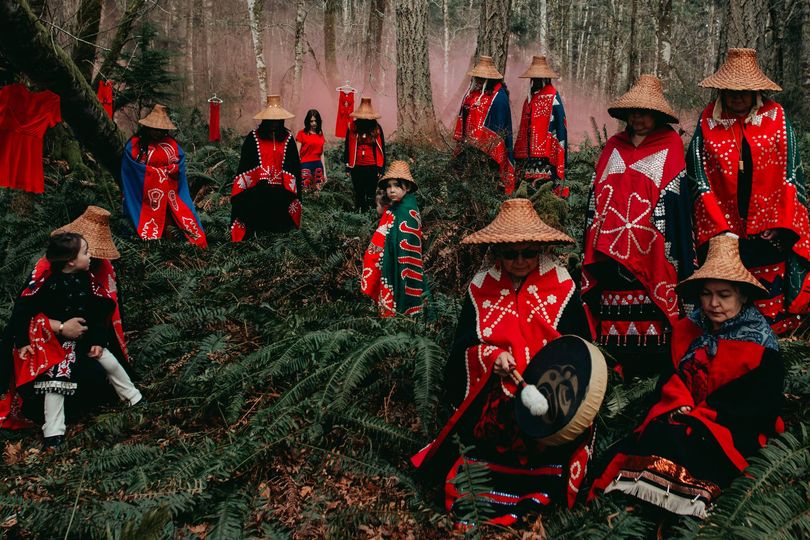
The town of Metlakatla, bathed in the morning light, stood as a testament to the strength and resilience of its people. Alexander, with the spirits of his ancestors by his side, had ensured that their legacy would continue to thrive. The spiritual battle had been won, but the journey of preserving their heritage and culture would continue, guided by the unwavering spirit of their guardian.
Metlakatla, located on Annette Island in Alaska, is rich in heritage and culture, primarily of the Tsimshian people. Here are some key aspects of its heritage:
- Historical Significance: Metlakatla, meaning “saltwater passage,” was founded in 1887 by a group of Tsimshian people led by Anglican missionary William Duncan. They relocated from British Columbia seeking religious freedom1.
- Cultural Practices: The Tsimshian culture is vibrant and includes traditional song, dance, and arts. Longhouses, totem poles, and cedar bark baskets are significant cultural artifacts. The community often showcases these through performances and tours2.
- Language: The nearly extinct Sm’algyax language is an integral part of the Tsimshian heritage. Efforts are ongoing to preserve and revitalize this language through tribal performances and educational programs2.
- Community and Governance: The Metlakatla Indian Community (MIC) is the only Indian reserve in Alaska. Governed by the MIC Tribal Council, the community emphasizes self-governance, sustainability, and the preservation of their land and resources3.
- Historical Archives: Recently, Metlakatla launched a historical archive to preserve and share the stories and memories of its people. This initiative aims to ensure that future generations understand their heritage and the community’s history4.
Metlakatla’s heritage is a testament to the resilience and cultural richness of the Tsimshian people, reflecting their deep connection to the land and their commitment to preserving their traditions for future generations.


Leave a Reply